Across Flower Mound, homeowners in neighborhoods like Wellington, Bridlewood, and the Tour 18 area are hitting a natural inflection point. Homes built in the late 1990s and early 2000s — many of them 20 to 30 years old now — still have solid bones, good lot sizes, and desirable locations. But the kitchens and bathrooms reflect the builder-grade finishes and design trends of a generation ago. Almond-colored fixtures, single-handle shower valves, laminate countertops, and undersized water heaters are giving way to walk-in showers, freestanding tubs, pot fillers, and double vanities.
The design inspiration is easy to find. The plumbing work underneath the tile and behind the walls is where remodels succeed or fail. Moving a drain line two feet in a slab-on-grade home is fundamentally different from moving a drain in a framed floor. Upgrading a 20-year-old supply system while the walls are open is smart; closing the walls without upgrading is a decision you will regret within five years.
This guide covers what Flower Mound homeowners need to know about the plumbing side of bathroom and kitchen remodels — from the planning phase through rough-in, inspection, and final fixture installation.
Why Plumbing Is the First Conversation in Any Remodel
Most homeowners start a remodel by choosing tile, cabinets, and paint colors. That is the fun part. But the plumbing decisions — where drains will go, how supply lines will be routed, what size water heater you need, and whether your gas line can handle a new range — constrain every other decision in the project.
Here is a practical example: You want to move the kitchen sink from the center of the counter to the corner, under a window. That seems like a designer decision. But it means relocating the drain line in the slab, extending hot and cold supply lines, and possibly rerouting the dishwasher drain and garbage disposal connection. A 6-inch move on the blueprint can mean two days of plumbing work in the slab.
The best remodels start with a joint planning session between the homeowner, the designer, and the plumber. At Haltex Plumbing, we are part of the Homeyer Enterprises family alongside The Design House (full-service interior design) and Stonemeyer Granite (custom countertop fabrication and installation). This means our plumbing team, your designer, and your countertop fabricator can coordinate from day one — avoiding the change orders and delays that happen when these trades do not talk to each other.
Bathroom Remodels: Plumbing Scope by Project Type
Not every bathroom remodel involves the same level of plumbing work. Here is what to expect at each level:
Fixture Update (Existing Layout)
You keep the toilet, vanity, and shower/tub in their current locations but install new fixtures — a new toilet, updated faucets, a new showerhead and valve trim, possibly a new vanity top. This is the simplest plumbing scope:
- Disconnect and remove old fixtures
- Replace supply valves (shut-off valves under the sink and behind the toilet) — the originals in 1990s homes are often gate valves that no longer seal properly
- Install new fixtures, connect supply and drain lines
- Test for leaks and verify proper drain function
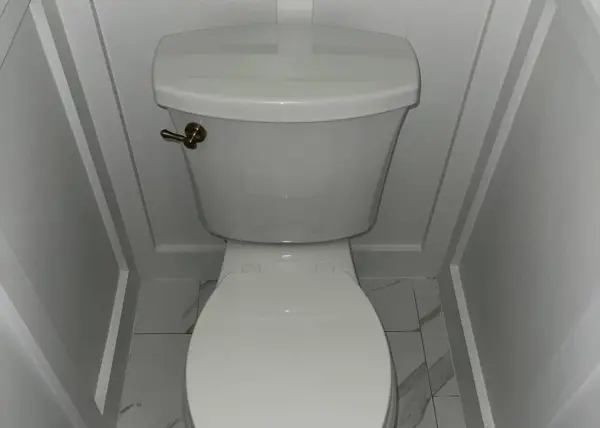
Typical cost: $1,500 to $3,000 for plumbing labor and materials, not including the fixtures themselves. A new toilet with installation starts at $600. A kitchen faucet with installation starts at $375.
Partial Layout Change
You want to swap a tub/shower combo for a walk-in shower, move the vanity to a different wall, or add a second sink. This requires relocating at least some drain and supply lines:
- Demolition of existing tile and wall covering to access plumbing
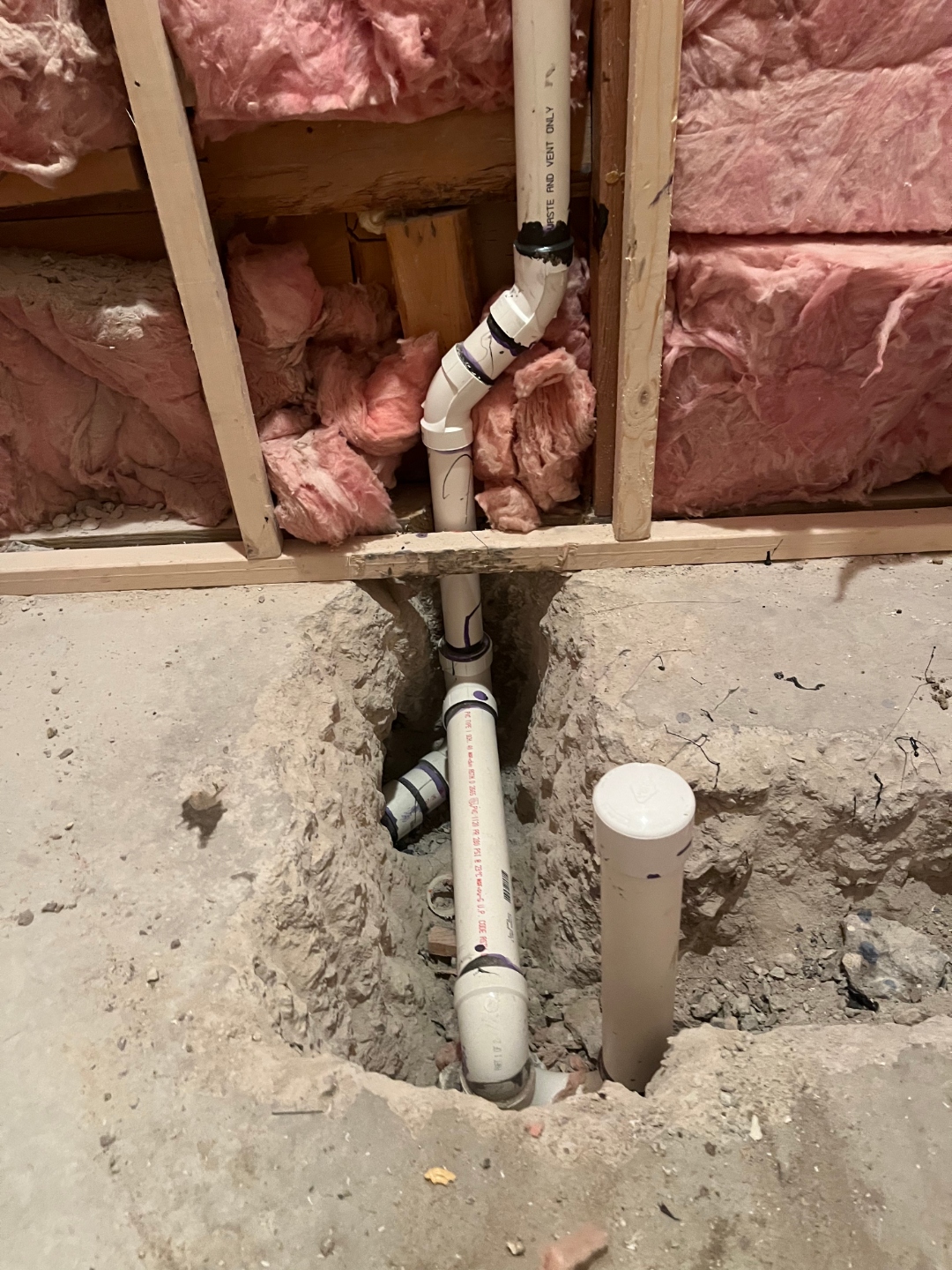
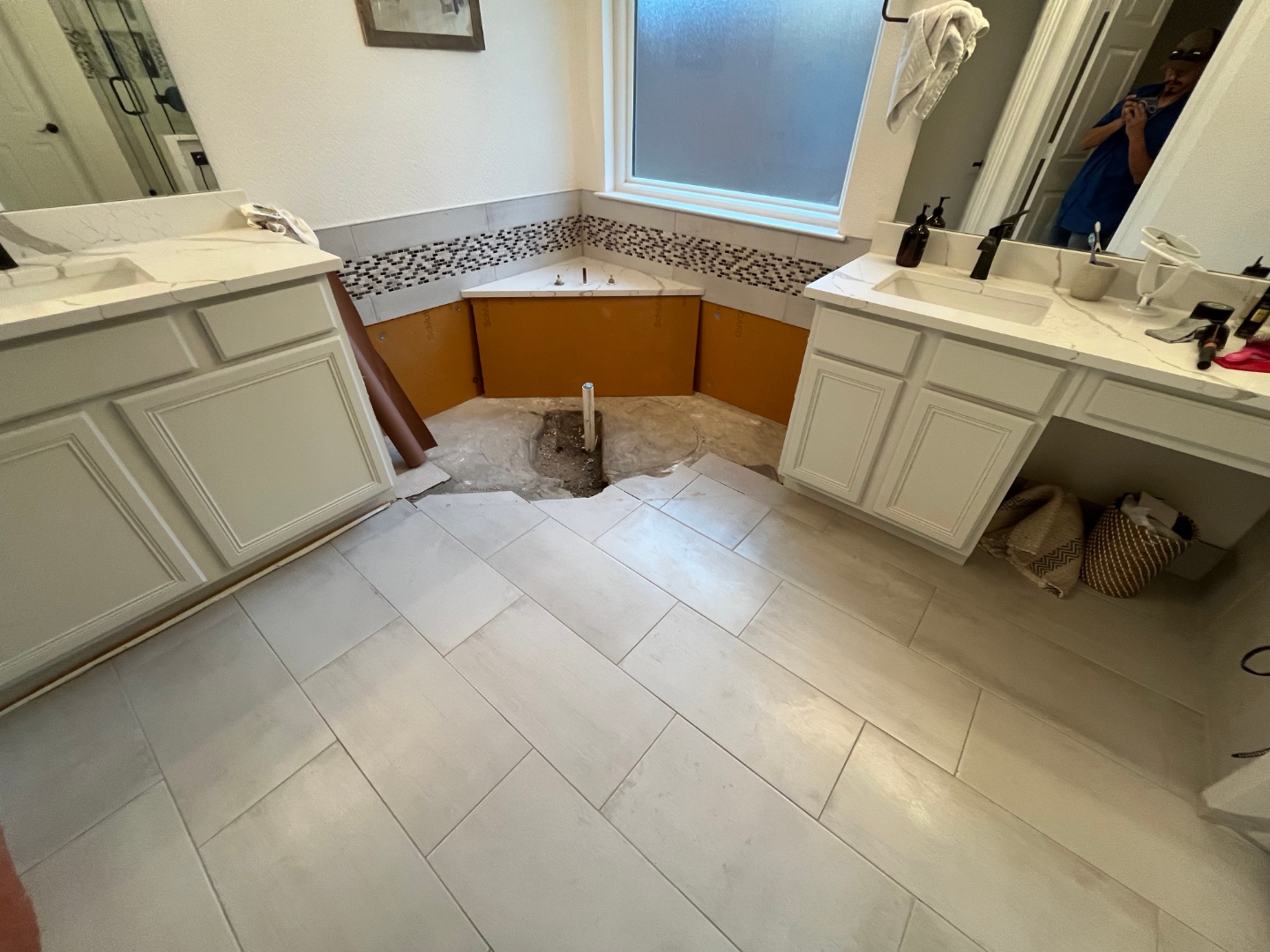
- Relocating drain lines — in a slab-on-grade home (most of Flower Mound), this means cutting through the concrete slab, rerouting the drain, and patching the slab
- Extending or relocating hot and cold supply lines
- Installing new valve bodies for shower controls
- Adding blocking for grab bars, shower benches, or wall-mount fixtures
- Passing a rough-in plumbing inspection before walls are closed
Typical cost: $3,000 to $6,000 for plumbing, depending on how many drains and supply lines are moving and whether slab work is involved.
Full Layout Redesign
You are gutting the bathroom and starting from scratch — new layout, new drain locations, possibly adding fixtures (converting a half bath to a full bath, or adding a freestanding tub alongside a walk-in shower). This is a complete plumbing rough-in:
- All existing plumbing is removed or capped
- New drain lines are installed in the slab per the new layout
- New supply lines are run through walls and floor
- Vent lines are added or modified to meet code
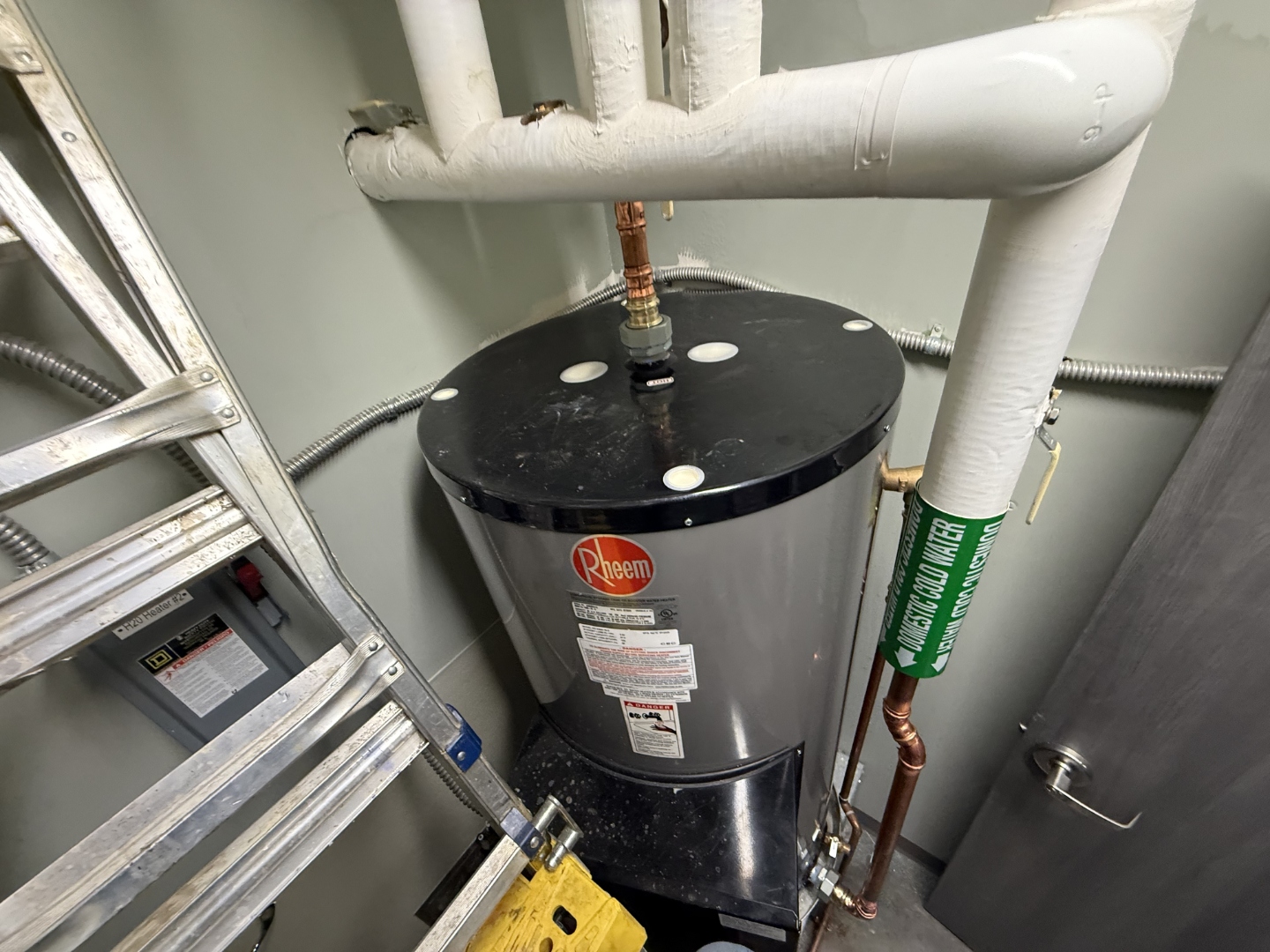
- Water heater capacity is evaluated — a large walk-in shower with multiple body sprays or a soaking tub may require upgrading from a 40-gallon to a 50-gallon unit, or switching to tankless
- Gas line work if adding heated flooring or a gas fireplace in an adjacent space
Typical cost: $5,000 to $8,000+ for plumbing on a full master bathroom renovation.
Kitchen Remodels: What Changes Under the Counter
Kitchen plumbing is typically more concentrated than bathroom plumbing — most of it runs to a single sink location — but the complexity comes from the number of connections in a small area and the need to coordinate with countertop templating and cabinet installation.
Sink and Faucet Replacement
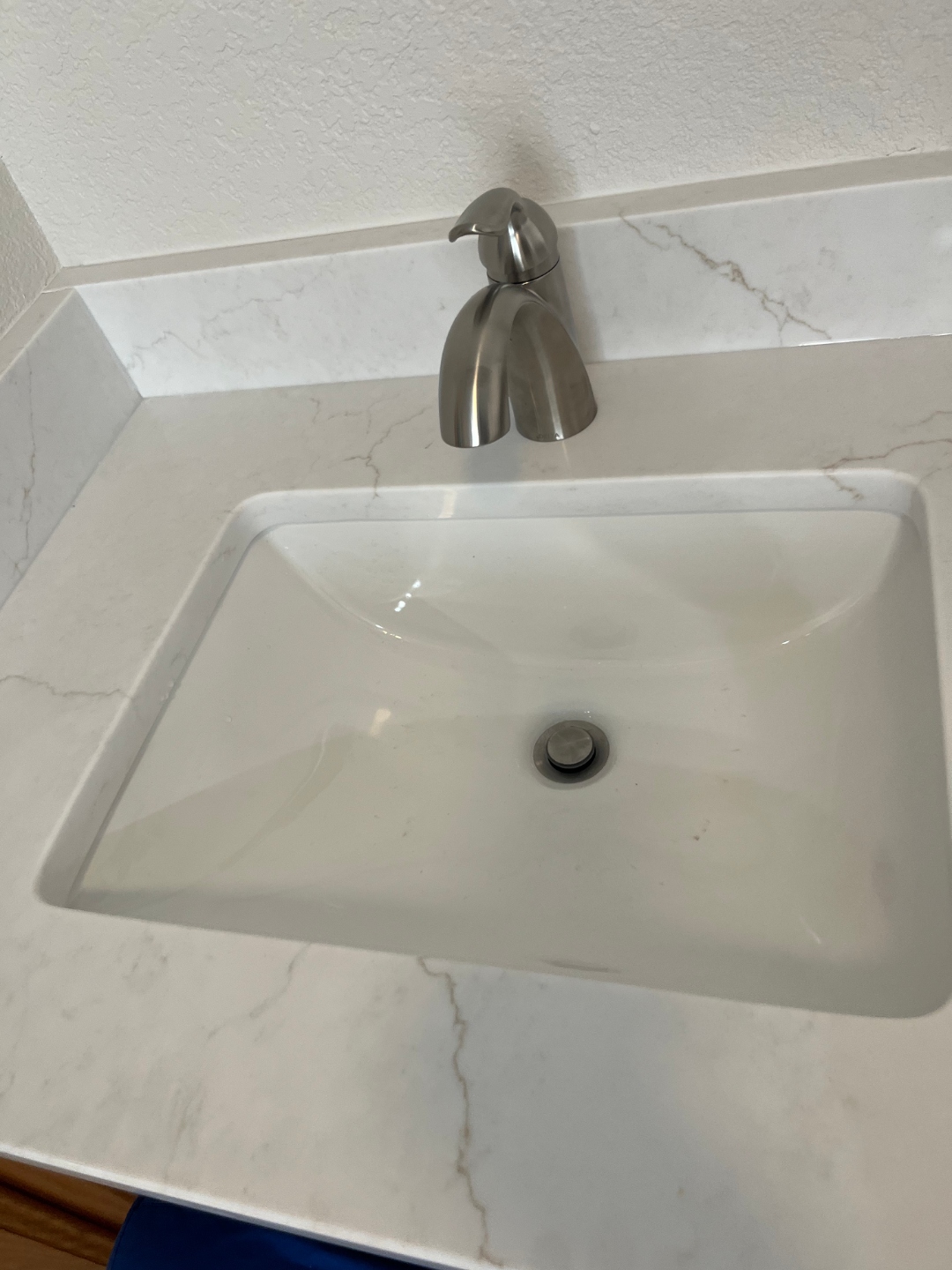
Swapping an undermount sink and faucet in the same location is straightforward. The plumbing scope includes disconnecting the old sink, removing it (coordinating with countertop work if undermount), installing the new sink, connecting the faucet and sprayer, reconnecting the garbage disposal ($400+ for a new disposal with installation), and hooking up the dishwasher drain line.
Sink Relocation
Moving the sink to an island, a different wall, or even a few feet along the same counter means relocating the drain in the slab, running new supply lines, and often adding or modifying a vent. Island sinks are particularly complex because venting through a roof stack is not possible — an air admittance valve (AAV) or island loop vent is required under Texas plumbing code.
Gas Line Work
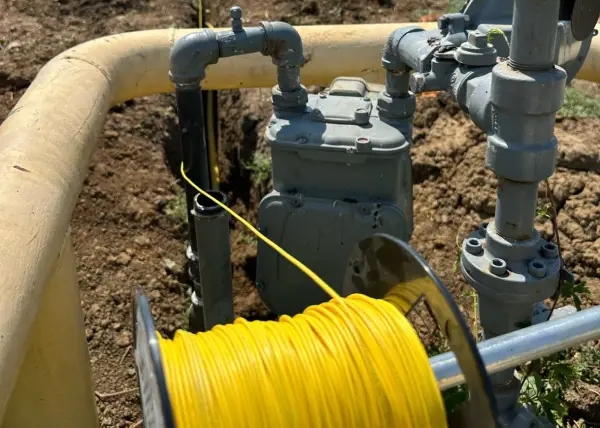
If your remodel includes switching from an electric range to a gas range (or vice versa), adding a gas dryer connection, or installing a tankless water heater, gas line work is required. Gas line sizing, routing, and testing must be done by a licensed professional. We handle all gas line connections and pressure testing as part of our remodel plumbing services.
The Slab Factor: Why Flower Mound Remodels Require Special Attention
Nearly every home in Flower Mound is built on a concrete slab-on-grade foundation. This is standard for North Texas construction, but it has major implications for remodel plumbing that homeowners often do not anticipate.
When drains need to be relocated, the concrete slab must be cut with a concrete saw, the soil underneath must be excavated, new pipe must be installed at the correct slope, and the slab must be patched with concrete after inspection. This is real construction — messy, noisy, and time-consuming. It also means the plumbing rough-in must be done early in the remodel, before new flooring or cabinetry is installed.
Flower Mound's clay soils add another consideration. When the slab is opened and soil is disturbed underneath, moisture levels in the soil around the foundation can change. A good plumber is careful about how much soil is removed, how the trench is backfilled, and how the concrete is patched to maintain the foundation's integrity. This is especially important in areas like Wellington and Bridlewood, where the Blackland Prairie clay content is high and foundation movement has already been an issue for some homes. If you suspect existing slab leak damage, we recommend a hydrostatic test ($500) before starting any remodel work.
Upgrading Pipe Materials During a Remodel
A remodel is the best time to upgrade aging plumbing — and the worst time to skip it. When walls are open, replacing old supply lines is relatively easy and inexpensive. After the walls are closed, it becomes a separate (and expensive) project.
Supply Lines: CPVC to PEX
Many Flower Mound homes from the late 1990s were plumbed with CPVC (chlorinated polyvinyl chloride) supply lines. CPVC was a reasonable choice when new, but after 20+ years it becomes increasingly brittle, especially in hot water applications. The material degrades with exposure to certain chemicals common in household water (chloramines from municipal water treatment), and we see CPVC failures regularly in homes of this vintage.
Switching to PEX (cross-linked polyethylene) during a remodel is one of the smartest investments you can make. PEX is flexible, resistant to freeze damage, does not corrode, and has proven longevity exceeding 50 years. The incremental cost to repipe the area being remodeled is typically $500 to $1,500 — a fraction of what emergency pipe repair costs after a CPVC failure floods a finished bathroom.
Drain Lines: Clearing and Verifying
While drains are accessible, we recommend running a camera through the existing main drain to check for root intrusion, bellies, or deterioration. Flower Mound's mature oaks make tree root damage a common issue, and discovering it during a remodel is far better than discovering it after your new tile floor is installed.
Permits and Inspections in Flower Mound
The Town of Flower Mound requires plumbing permits for any work that adds, relocates, or replaces drain lines, water supply lines, or gas lines. The 2025 Texas plumbing code updates apply to all new permit applications, which affects specifications for venting, fixture spacing, and pipe sizing.
The permit and inspection process typically works like this:
- Permit application — Your licensed plumber (Haltex holds TX RMP 45127) submits the application with the scope of work described
- Rough-in work — Drain and supply lines are installed with walls open, before drywall
- Rough-in inspection — A town inspector verifies the work meets code (pipe sizing, slope, venting, support, materials)
- Walls close — After passing inspection, drywall and tile work proceeds
- Trim-out — Fixtures, faucets, and connections are installed
- Final inspection — The inspector verifies fixture connections, tests for leaks, and signs off
Failing a rough-in inspection means opening walls a second time — a costly delay. This is why hiring a licensed, experienced plumber for remodel work is non-negotiable. Our team handles the permit process and ensures the rough-in passes inspection the first time.
Coordinating Plumbing with Other Trades
Remodel plumbing does not happen in isolation. It must be coordinated with demolition, framing, electrical, HVAC, drywall, tile, countertops, and cabinetry. The sequence matters enormously:
- Demolition — Remove existing fixtures, tile, cabinets, drywall
- Slab work — Cut and relocate drains in the slab (plumbing)
- Framing — Any wall modifications, blocking for fixtures
- Rough-in — Plumbing supply lines, electrical wiring, HVAC ducts
- Inspection — All rough-in trades pass inspection
- Drywall and mud
- Tile and flooring
- Cabinetry and countertops — This is where Stonemeyer Granite templates and fabricates your countertops, with sink cutout positioned precisely to match the plumbing below
- Plumbing trim-out — Faucets, toilets, shower trim, garbage disposal
- Final inspection and punch list
When your plumber, designer, and countertop fabricator are all part of the same family of companies — as with Haltex Plumbing, The Design House, and Stonemeyer Granite — this coordination happens naturally. The Design House handles your design vision and material selections, Stonemeyer fabricates and installs your stone countertops, and Haltex handles all the plumbing from rough-in to trim-out. One point of contact for the homeowner, zero coordination headaches between trades.
New Developments and Flower Mound's Remodeling Wave
Flower Mound is experiencing growth on both ends: new construction in developments like the recently approved Toll Brothers community is bringing new homes to market, while established neighborhoods are undergoing a wave of renovations as original owners update or new owners personalize their purchases.
This dual trend means our team works both sides — ensuring new construction plumbing meets code requirements and helping homeowners in 20-to-30-year-old homes modernize their plumbing systems as part of thoughtful remodels. Both situations benefit from the same expertise: deep familiarity with Flower Mound's soil conditions, building codes, and the specific plumbing challenges of slab-on-grade construction in North Texas clay.
Ready to plan your remodel? We offer a FREE whole-home plumbing inspection that covers your existing system — supply lines, drains, water heater, and fixtures — so you know exactly what needs attention before the remodel begins.
Frequently Asked Questions
Planning a Remodel? Start with the Plumbing.
Our Flower Mound plumbing team will assess your existing system, plan the rough-in, and coordinate with your designer and other trades. FREE whole-home inspection included.
Call 940-999-7742