Denton County Slab Leak Specialists
North Texas clay soil makes slab leaks common. Haltex Plumbing uses advanced detection technology to find and fix slab leaks across Denton County — fast.
If you own a home in Denton County, slab leak awareness is not optional — it is essential. North Texas sits on expansive clay soil that behaves like a sponge: it swells dramatically when saturated with rain and shrinks during drought. This constant cycle of expansion and contraction creates enormous stress on your home's foundation and the water and sewer lines running beneath it. Over time, copper supply lines and cast iron drain lines beneath the slab develop stress fractures, pinhole leaks, and joint separations that allow water to escape into the soil beneath your home.
Slab leaks are among the most destructive plumbing problems a homeowner can face. A small leak under your foundation can erode supporting soil, cause foundation shifting, buckle flooring, promote mold growth, and lead to structural damage that costs tens of thousands of dollars to repair. The key is early detection — and that is where Haltex Plumbing's 20-plus years of slab leak experience in Denton, Argyle, Flower Mound, Highland Village, McKinney, Sanger, Krum, and Corinth makes all the difference.
We use state-of-the-art electronic leak detection equipment to pinpoint slab leaks with precision. Our acoustic listening devices amplify the sound of water escaping from pressurized pipes beneath the concrete, allowing us to identify the exact location of the leak without tearing up your floor. This technology is remarkably precise — we can typically locate a slab leak within a 12-inch radius, minimizing the amount of concrete that needs to be opened for repair.
Electronic detection is far superior to the old-school method of cutting open the slab in multiple locations until the leak is found. It saves you money, reduces repair time, and preserves your flooring. Our technicians have performed hundreds of electronic slab leak detections across Denton County and can distinguish between an actual leak, condensation, and other moisture sources that sometimes produce false positives.
Pressure testing is a diagnostic method we use to determine whether your water or sewer lines have a leak and to measure its severity. We isolate sections of your plumbing system and apply controlled pressure, then monitor for pressure drops over a set period. A dropping pressure gauge confirms a leak and helps us narrow down which line segment is compromised. We also use pressure testing after repairs to verify that the fix is holding before we close up the slab.
Understanding why slab leaks happen in Denton County requires understanding our soil. The Blackland Prairie and Cross Timbers regions that cover most of Denton County contain high concentrations of montmorillonite clay — one of the most expansive clay minerals in existence. This clay can expand by 15 to 25 percent when wet, exerting thousands of pounds of pressure per square foot on anything embedded within it, including your home's foundation and the pipes beneath it.
During Texas summers, when drought conditions are common, this same clay contracts sharply, creating voids beneath the foundation. The foundation settles unevenly into these voids, bending and stressing the rigid copper pipes that run through or beneath the slab. Over years, this repeated stress causes fatigue failures — small cracks that grow into leaks. Homes built on pier-and-beam foundations are less vulnerable, but the vast majority of Denton County homes from the 1970s onward are built on concrete slabs.
Once we locate a slab leak, we present two primary repair approaches:
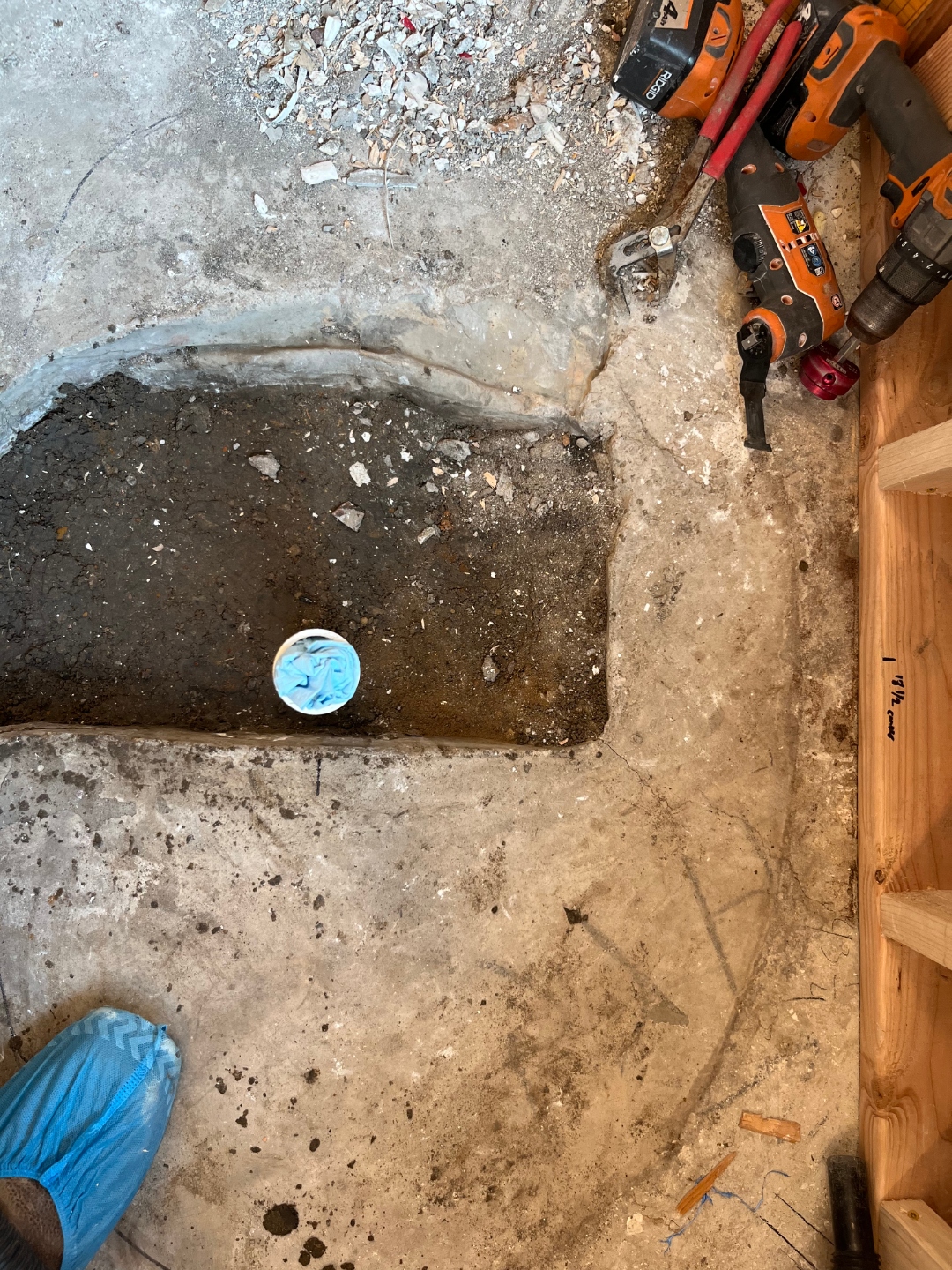
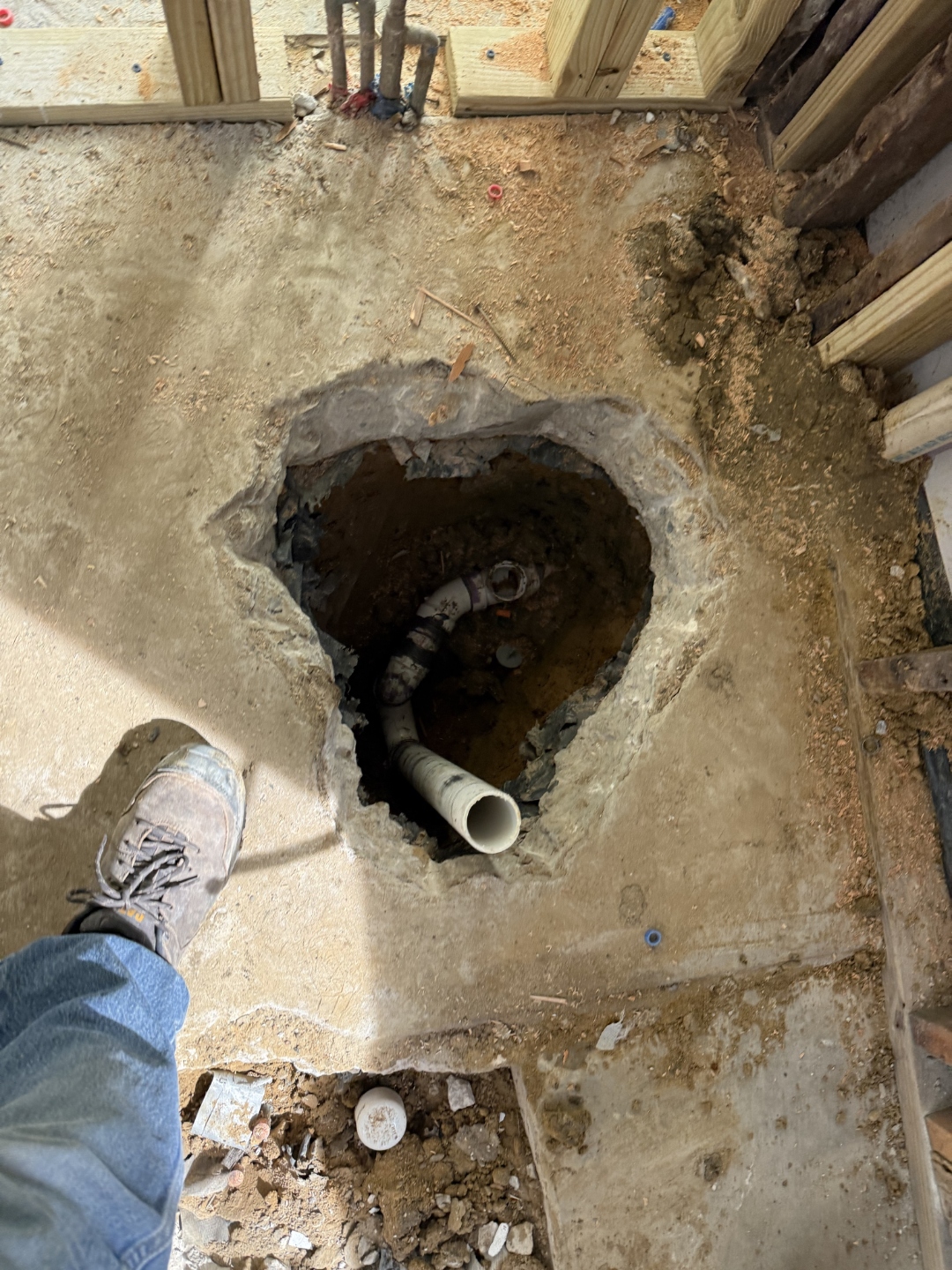
Spot Repair (Under-Slab Fix): We open the slab at the leak location, repair or replace the damaged pipe section, pressure-test the repair, and patch the concrete. This is the most cost-effective approach for a single, isolated leak in an otherwise healthy pipe system.
Reroute (Overhead or Through Walls): If the pipe system beneath the slab has multiple leaks, shows signs of systemic corrosion, or is made of a material prone to recurring failures (like certain types of copper in aggressive water conditions), we may recommend abandoning the under-slab line entirely and running a new pipe through the walls or attic. This eliminates the root cause and prevents future slab leak issues in that line permanently.
Detection Technology
Electronic listening devices amplify the sound of pressurized water escaping beneath the slab, pinpointing the leak location within inches.
Controlled pressure tests isolate and confirm leaks in supply and drain lines, measuring severity and narrowing the search area.
Infrared cameras detect temperature variations in your floor caused by hot water leaks, identifying affected areas without any demolition.
We present both spot repair and reroute options with transparent pricing. You choose the solution that fits your home and budget.
Slab leaks are hidden beneath your foundation, but they produce visible warning signs if you know what to look for:
We discuss your symptoms, check your water meter for movement when all fixtures are off, and perform a visual inspection of your home for signs of moisture or damage.
Using acoustic listening equipment, thermal imaging, and pressure testing, we systematically locate the leak beneath the slab. This process typically takes one to three hours depending on the complexity.
We present your options — spot repair under the slab or reroute through walls/attic — with detailed pricing, pros, and cons for each approach. We recommend based on the overall condition of your pipe system and the likelihood of future leaks.
We perform the repair, pressure-test the repaired line, and restore your flooring and concrete. We verify the leak is resolved by monitoring the water meter and checking for any remaining moisture.
Common Questions
Slab leak repair costs depend on the repair method — spot repair under the slab or a reroute through walls or attic. A hydrostatic and pressure test is $500. Every project is priced upfront after our diagnosis — no surprises. Call 940-999-7742 for a free estimate.
Many Denton County homeowner's policies cover the cost of accessing the leak (opening and repatching the slab) and resulting water damage, but not the plumbing repair itself. Some policies include a sewer and water line rider that covers the repair too. We provide detailed documentation and can work directly with your insurance adjuster.
Electronic detection typically takes one to three hours. Simple leaks in accessible locations can be found quickly, while complex situations involving multiple leaks or unusual pipe layouts may take longer. We do not charge by the hour — our detection fee is flat-rate regardless of how long it takes.
Absolutely. A slab leak continuously saturating the clay soil beneath your foundation causes the clay to swell unevenly, which can push sections of the foundation upward. Conversely, when the leak stops, the soil dries and contracts. This uneven movement causes foundation cracks, door and window alignment issues, and structural damage. Early detection and repair are critical.
It depends on the overall condition of your plumbing system. If the leak is isolated and the rest of the under-slab pipes are in good condition, a spot repair is the most cost-effective option. If you have had multiple slab leaks, or if the pipes show systemic corrosion, a reroute eliminates the under-slab vulnerability permanently. We help you make the right decision based on a thorough assessment.
The primary reason is our expansive clay soil. Denton County sits on montmorillonite clay that swells when wet and contracts when dry. This constant movement stresses the copper and cast iron pipes beneath your slab, causing fatigue cracks over time. Combine this with our hard water, which accelerates internal pipe corrosion, and you have a recipe for slab leaks — especially in homes over 15 years old.
Related Services
Service Areas
OUR WORK
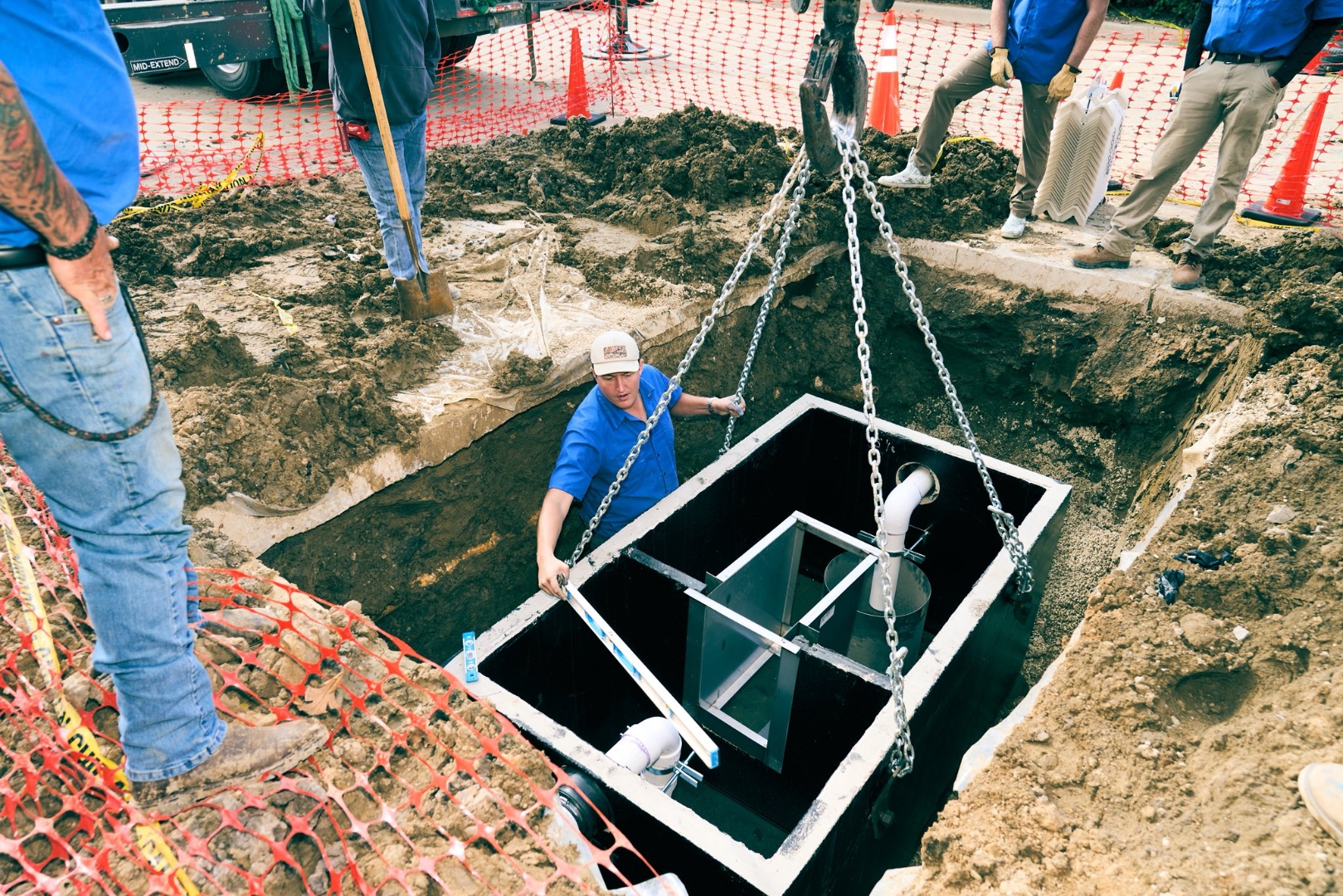
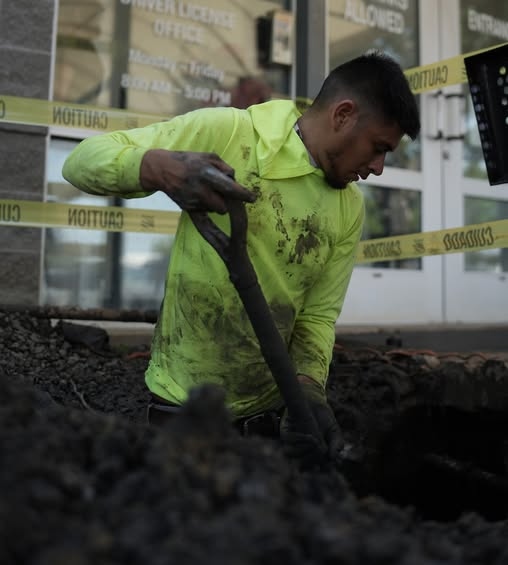
Real photos from Haltex slab leak detection and repair jobs.