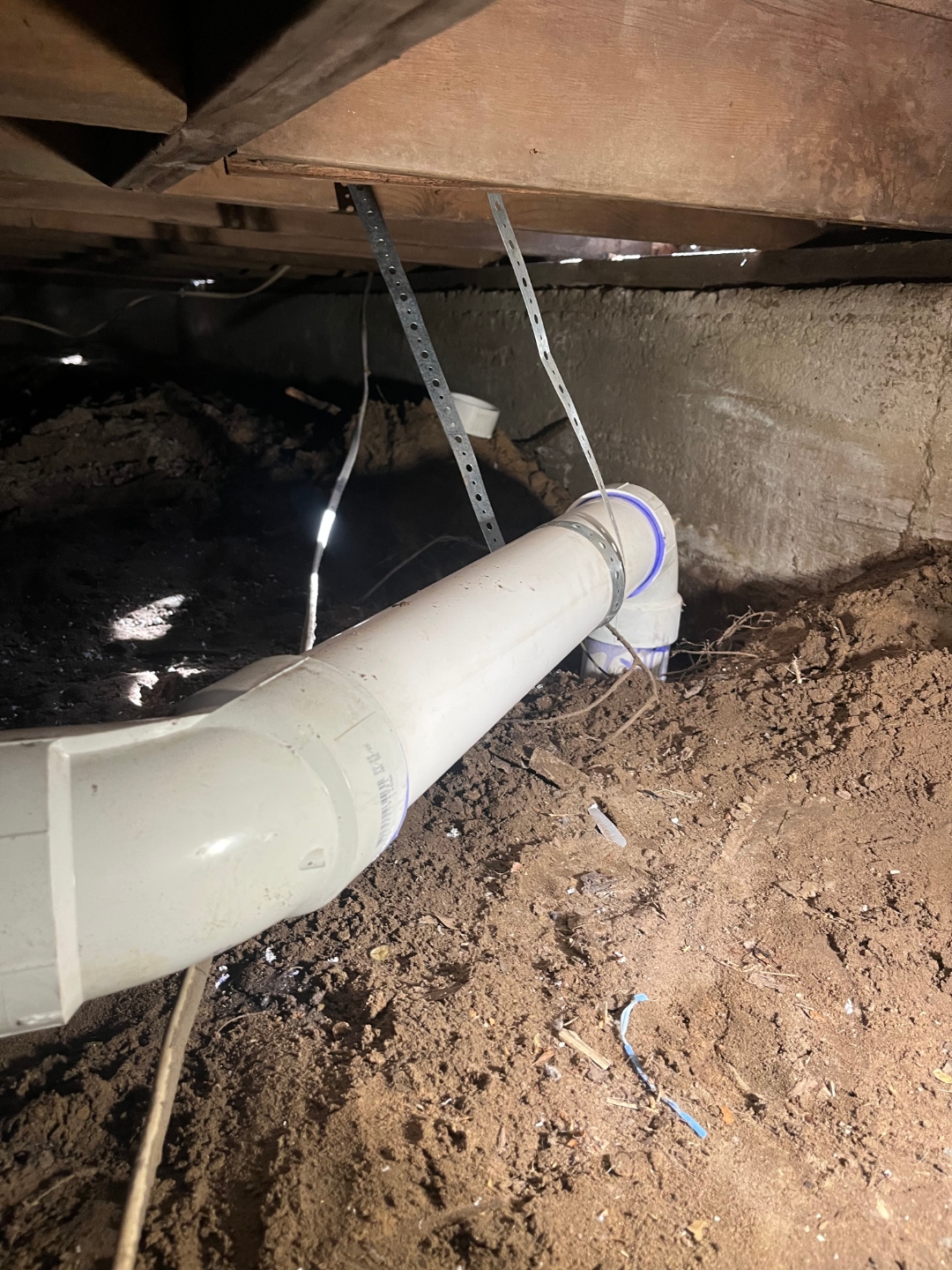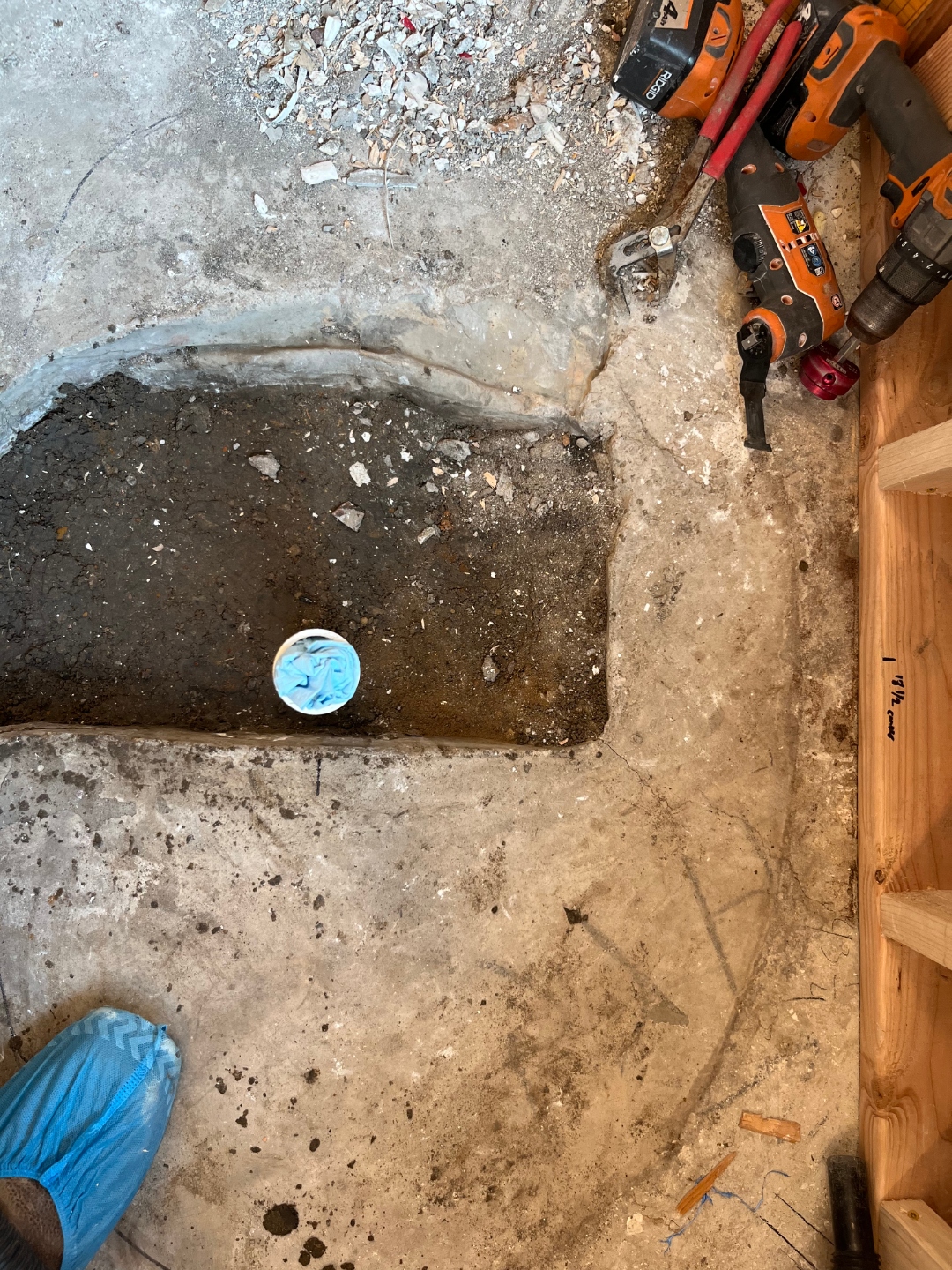
If you live in Denton, Texas, you know our city is blessed with beautiful, mature trees that provide shade and character to our neighborhoods. What many homeowners don’t realize is that these same trees can pose a serious threat to their sewer lines. The roots of Denton’s trees are constantly searching for water and nutrients, and your underground pipes provide the perfect source.
UNDERSTANDING THE PROBLEM
Tree roots don’t set out to damage your plumbing on purpose. They’re simply following their natural instinct to find water. Your sewer lines, even when they’re functioning perfectly, can have tiny cracks or loose joints. These small openings release moisture and warm air that act like a beacon to nearby tree roots.
Once a root finds its way into a pipe through these small openings, it begins to grow inside the line. What starts as a hair-thin root can quickly expand into a thick, woody mass that blocks your entire pipe. The root doesn’t just stop there – it continues growing, often causing the pipe to crack further or even collapse completely.
DENTON’S TREE SPECIES AND THEIR IMPACT
Denton’s climate and soil conditions make it home to several tree species that are particularly aggressive when it comes to root growth. Fast-growing species like willows, maples, and elms have aggressive root systems known to damage underground pipes. These trees are common throughout Denton neighborhoods and are some of the biggest culprits when it comes to sewer line problems.
Oak trees, which are abundant in North Texas, also present challenges for homeowners. Their root systems can extend far beyond the tree’s canopy and can grow quite deep. Live oaks, post oaks, and red oaks all have strong, persistent root systems that can find their way into sewer lines that are located many feet away from the tree trunk.
Cottonwood trees, another common sight in Denton, have particularly aggressive root systems. These trees seek out water sources aggressively, making them more likely to invade your sewer lines than many other species.
THE SCIENCE BEHIND ROOT INVASION
Tree roots don’t start out looking for your sewer lines. They’re simply doing what nature designed them to do, searching for water and nutrients. Your sewer pipes happen to provide both in abundance.
Several biological factors make sewer lines irresistible to tree roots:
- Moisture detection: Specialized root cells can sense water vapor escaping through tiny pipe joint gaps from remarkable distances
- Nutrient attraction: Nitrogen and phosphorus in wastewater act like fertilizer, creating ideal growing conditions
- Year-round growth: Consistent temperature and moisture inside pipes allow roots to grow even during droughts
- Growth hormones: Successful root entry triggers trees to produce hormones that direct more roots to the same location
- Survival response: During dry periods, trees become more aggressive in seeking underground water sources
MULTIPLE MECHANISMS OF DESTRUCTION
Tree roots threaten sewer lines through several simultaneous mechanisms:
PHYSICAL BLOCKAGE
Tree roots grow inside the pipes after penetrating them. This can result in a number of problems, including lowering pressure and obstructing water flow. Root masses create partial or complete obstructions that prevent normal sewage flow.
STRUCTURAL PRESSURE
As roots grow thicker and more woody, they exert continuous outward pressure on pipe walls. This pressure can:
- Crack rigid materials like clay and cast iron
- Deform flexible materials like PVC
- Separate pipe joints by pushing sections apart
- Create stress fractures that propagate over time
CHEMICAL DETERIORATION
With time, the concrete deteriorates, and roots grow through the openings and expand, damaging the piping. Root systems can produce acids and other compounds that chemically weaken pipe materials, particularly older concrete and clay pipes.
DEBRIS ACCUMULATION
Root masses inside pipes trap toilet paper, grease, food particles, and other debris, creating compound blockages that are much more severe than either problem alone would cause.
RECOGNIZING THE WARNING SIGNS
Homeowners need to watch for several warning signs that might indicate tree roots have invaded their sewer lines:
- Slow drains throughout the house: If your kitchen sink, bathroom drains, and washing machine all seem to be draining slowly, roots might be partially blocking your main sewer line.
- Gurgling sounds from toilets or drains: These sounds occur when other fixtures are used and can signal root intrusion. The sounds happen when water flow is restricted and air bubbles are forced through the system.
- Bad smells coming from drains or around your property: These odors can indicate that sewage isn’t flowing properly due to root blockage. The smells might be more noticeable during hot weather or after rain.
- Water backing up in floor drains or lowest fixtures: This is a more serious sign that roots may have created a significant blockage. This situation requires immediate professional attention.
- Changes in your yard: Unusually green or lush patches of grass over your sewer line might indicate that sewage is leaking from damaged pipes and fertilizing the area. Similarly, soggy spots in your yard when it hasn’t rained could signal a sewage leak caused by root damage.
Haltex Plumbing serves Denton and the surrounding Denton County area from our headquarters at 2301 Colorado Blvd in Denton. Our master plumbers bring a combined 30+ years of experience to every job. We offer a FREE whole-home plumbing inspection, same-day service guarantee (call before noon), and a $75 referral program ($75 for you and $75 off for your friend). With a 4.9-star rating across 162+ reviews and BBB A+ accreditation, we're Denton County's award-winning plumber — Best of Denton two years running.
Haltex Plumbing is part of the Homeyer Enterprises family, alongside Stonemeyer Granite and The Design House. Whether you need plumbing, countertops, or interior design, our family of companies has you covered.
Frequently Asked Questions
Need a Plumber in Denton?
Schedule your free whole-home plumbing inspection today. We'll assess your system, explain your options upfront, and get the job done right — no surprises.
 Call 940-999-7742