Installing restrooms in commercial properties involves more than just choosing where to put the toilet and sink. Whether you’re managing a retail store, a small office, or an entire commercial complex, planning and building restrooms requires careful attention to plumbing layout, building codes, user experience, and long-term maintenance.
For any building owner, understanding how to approach restroom installation can help avoid costly mistakes and create a space that serves both staff and customers comfortably. Make sure to consider the following before getting started.
Legal requirements and building codes
The first thing to keep in mind is that restroom construction must meet local building codes and health regulations. These rules are not the same everywhere and can vary by city, state, or even by zoning area.
Key items typically addressed in building codes include:
- Minimum number of fixtures: Based on how many people are expected to use the facility at once.
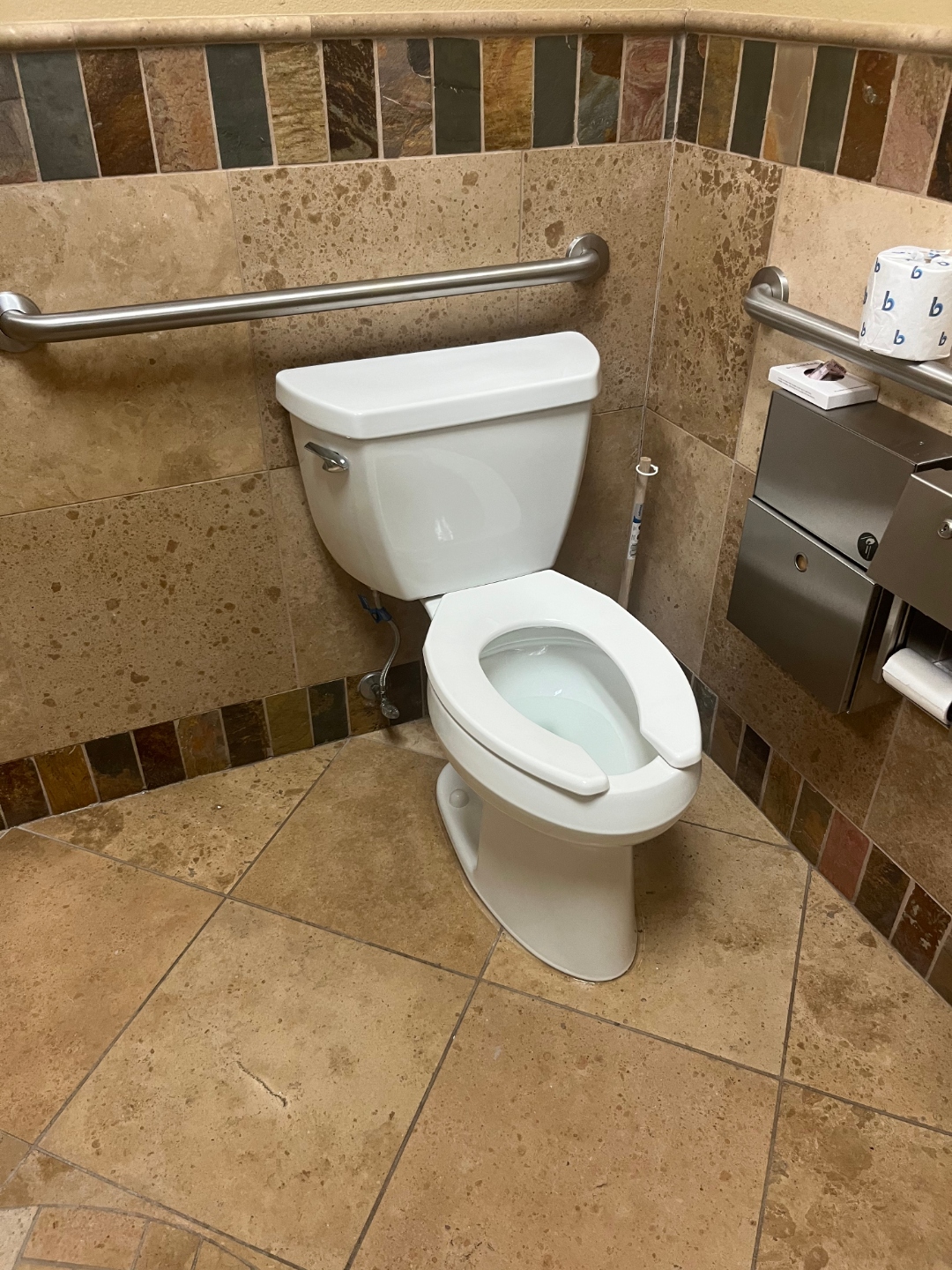
- Accessibility: Laws often require at least one restroom to meet accessibility guidelines for people with disabilities.
- Plumbing and ventilation: Codes specify pipe sizes, drain slope, venting, and air circulation requirements.
- Gender separation: In many cases, separate restrooms for men and women are required unless a building has a very low occupancy.
Some cities also require permits before any plumbing or construction work begins, along with inspections during and after the work is completed. Failing to comply with these requirements can delay occupancy or trigger fines.
Working with a licensed plumber or contractor who understands local codes helps avoid legal issues and ensures your project stays on track.
Choosing the right location inside the building
Where the restroom is placed inside the building affects both cost and convenience. Ideally, restrooms should be positioned in a location that makes plumbing installation simpler and access easier for those who will use the space.
Things to think about when deciding on placement:
- Proximity to existing plumbing: Restrooms located near existing water and sewer lines will be less expensive to install.
- Convenience: For retail buildings, restrooms should be easy for customers to find without being too close to public areas. In office buildings, restrooms should be within reasonable walking distance for employees.
- Future expansion: If the building may be expanded or reconfigured in the future, it’s wise to leave room for plumbing access or to plan stub-outs for potential additions.
Also consider that restroom walls should be built with materials that can withstand humidity and moisture. Installing tile, water-resistant drywall, or fiberglass-reinforced panels makes ongoing upkeep easier and prevents water damage over time.
Fixtures that stand the test of time
In commercial settings, restroom fixtures get a lot of use. Choosing high-quality, durable products is essential for keeping the facility looking and functioning well over time.
Toilets and urinals
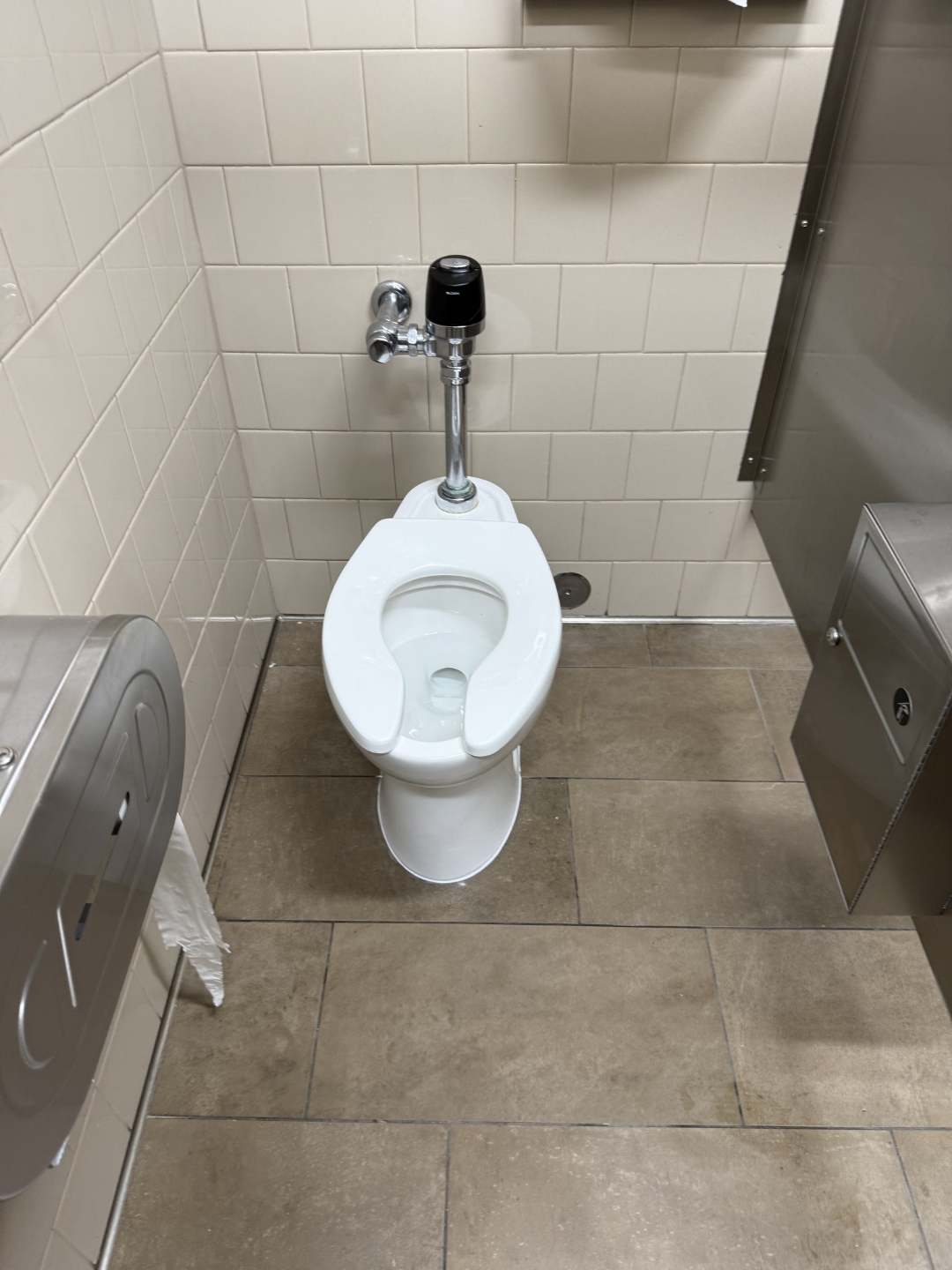
Wall-mounted and pressure-assisted models are commonly used in commercial buildings because they can handle more use and are easier to clean under and around.
Sinks and faucets
Touch-free faucets and soap dispensers are a good option in high-traffic restrooms. They limit the spread of germs and help prevent water from being left running.
Hand dryers or paper towel dispensers
Installing high-speed hand dryers can reduce waste, though some businesses still prefer paper towel dispensers. Consider your budget and maintenance plan before choosing.
Partitions and doors
Toilet stalls should be sturdy and resistant to scratches, graffiti, and rust. Metal and solid plastic are both good options for durability.
When choosing fixtures, focus on long-term durability and ease of cleaning rather than just upfront cost.
Plumbing and water supply
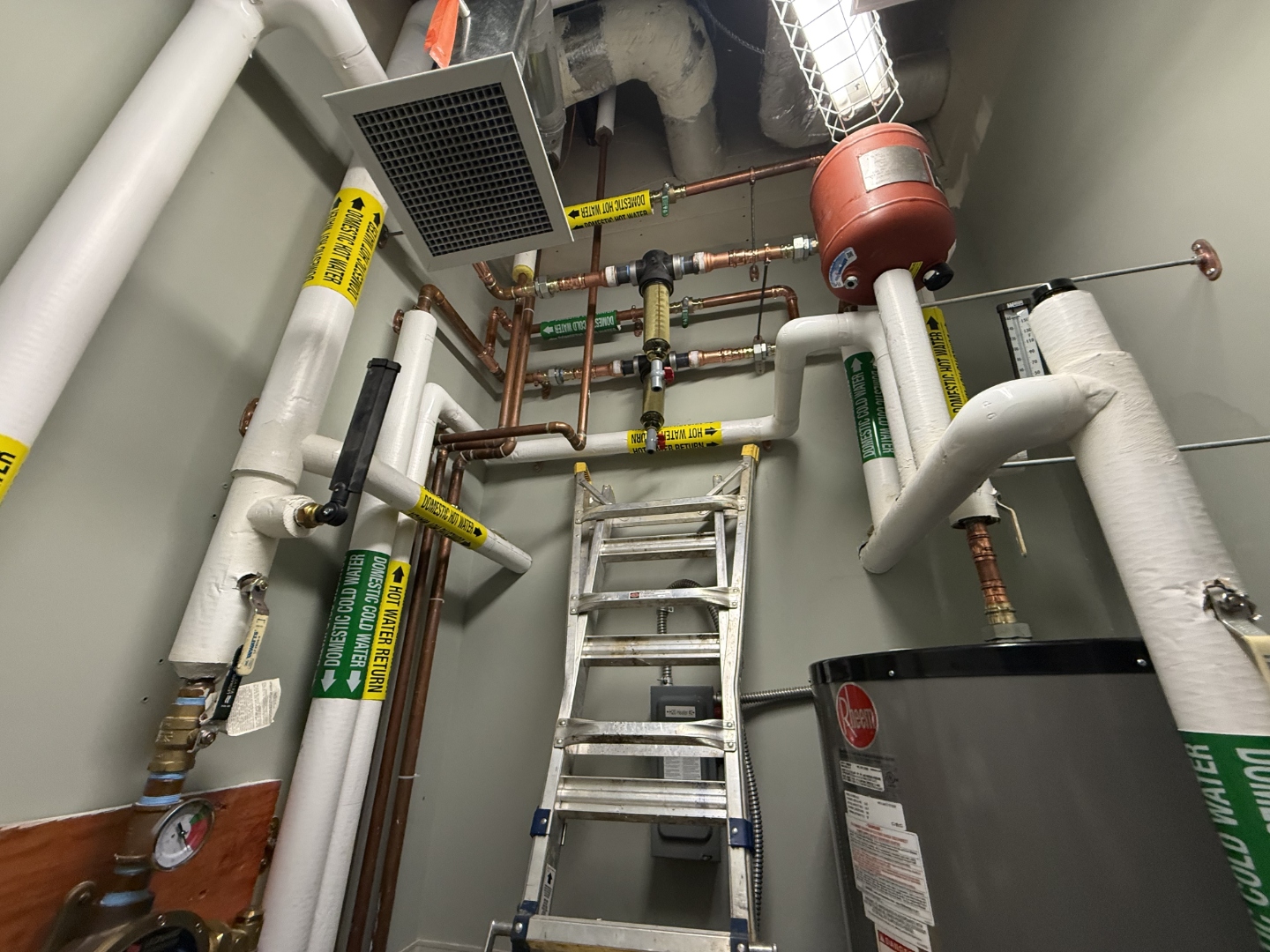
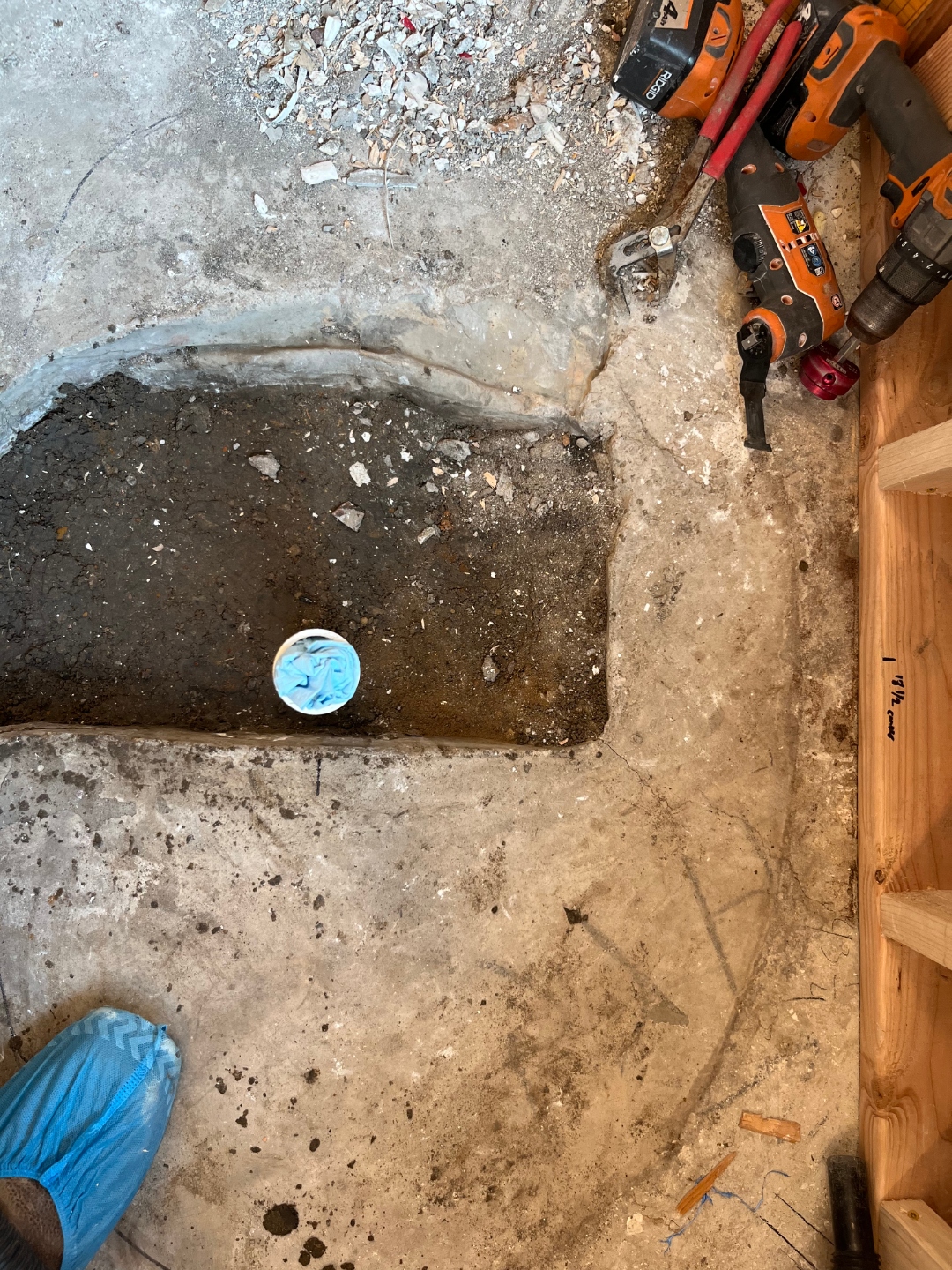
Every restroom installation depends on a reliable and properly sized plumbing system. Before you build, ensure that your building’s main water line and sewer line have enough capacity to handle the new fixtures.
Some points to think about:
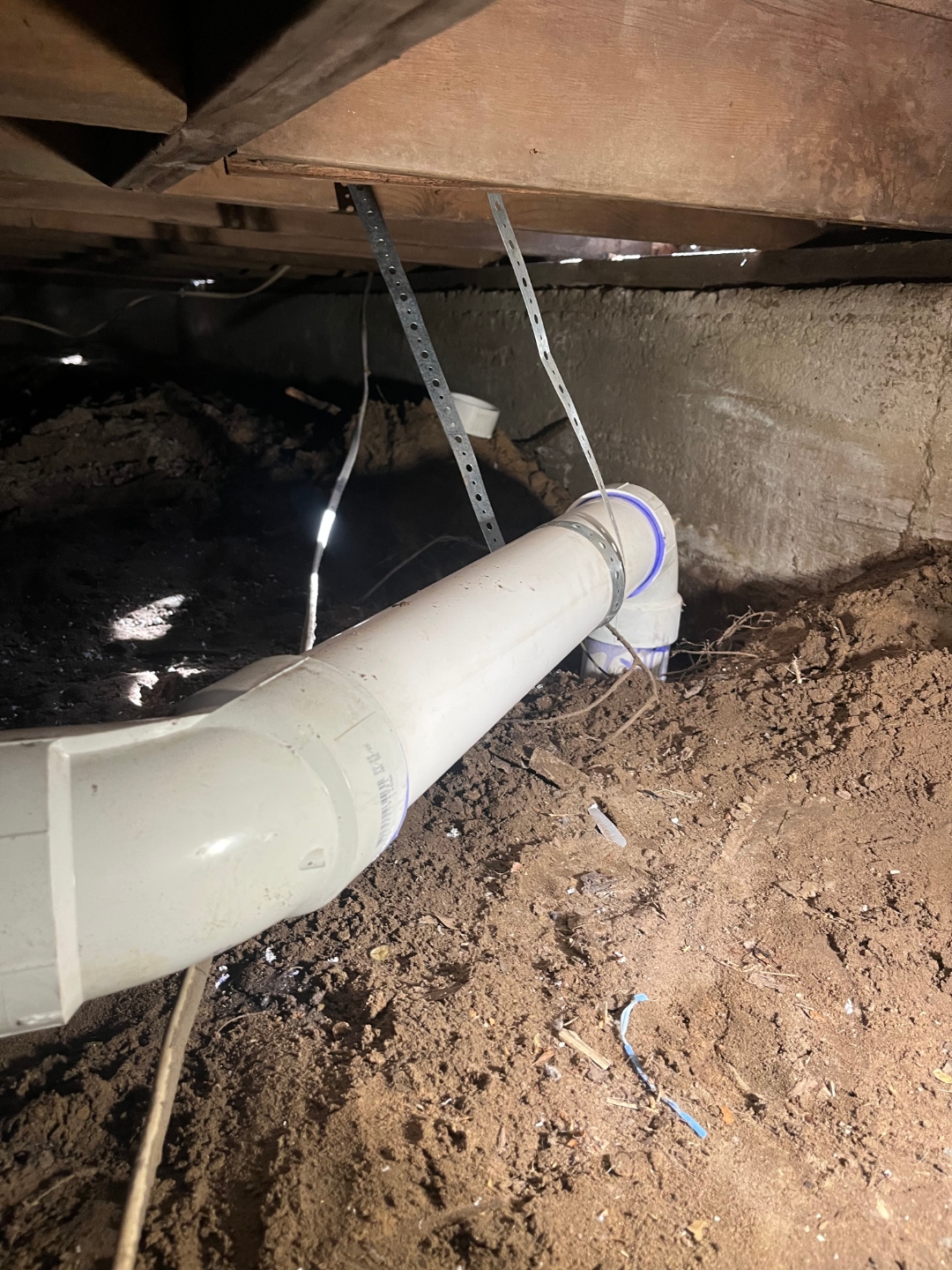
- Pipe size and placement: Commercial restrooms require larger pipes than residential bathrooms. Proper sizing helps prevent clogs and ensures adequate flushing power.
- Hot water supply: Building codes often require hot water at the sinks, especially if food service is involved.
- Shut-off valves: Install separate valves for each restroom so that repairs don’t disrupt service in the entire building.
It’s always best to have a professional plumber review your plans early in the process. They’ll identify potential issues with water pressure or drainage before construction starts, ensuring the system is reliable and up to code.
Good ventilation matters
Restrooms must have a way to remove moist air and unpleasant smells. This is especially true in commercial settings where restrooms are used frequently and cleaned on a tight schedule.
Most buildings use mechanical exhaust fans, which pull air out and vent it outside. In some cases, natural ventilation (such as a window) may be allowed, but it’s not always practical or sufficient.
Effective ventilation:
- Keeps air quality better for users
- Helps prevent mold or mildew buildup
- Protects paint, drywall, and fixtures from moisture damage
Be sure to install fans that are properly sized for the space, and have them checked regularly as part of your building maintenance.
Haltex Plumbing provides commercial plumbing services across Denton County, including Denton, McKinney, Argyle, and Flower Mound. Our master plumbers bring a combined 30+ years of experience to every commercial project. We offer free whole-home plumbing inspections and same-day service when you call before noon. As Denton County's award-winning plumber — Best of Denton two years running — and a BBB A+ accredited business, we stand behind every job.
Haltex Plumbing is part of the Homeyer Enterprises family, alongside Stonemeyer Granite and The Design House.
Frequently Asked Questions
Need Commercial Plumbing Services in Denton County?
From restaurants to office buildings, Haltex Plumbing handles commercial plumbing projects of all sizes. Call us for a free consultation.
 Call 940-999-7742