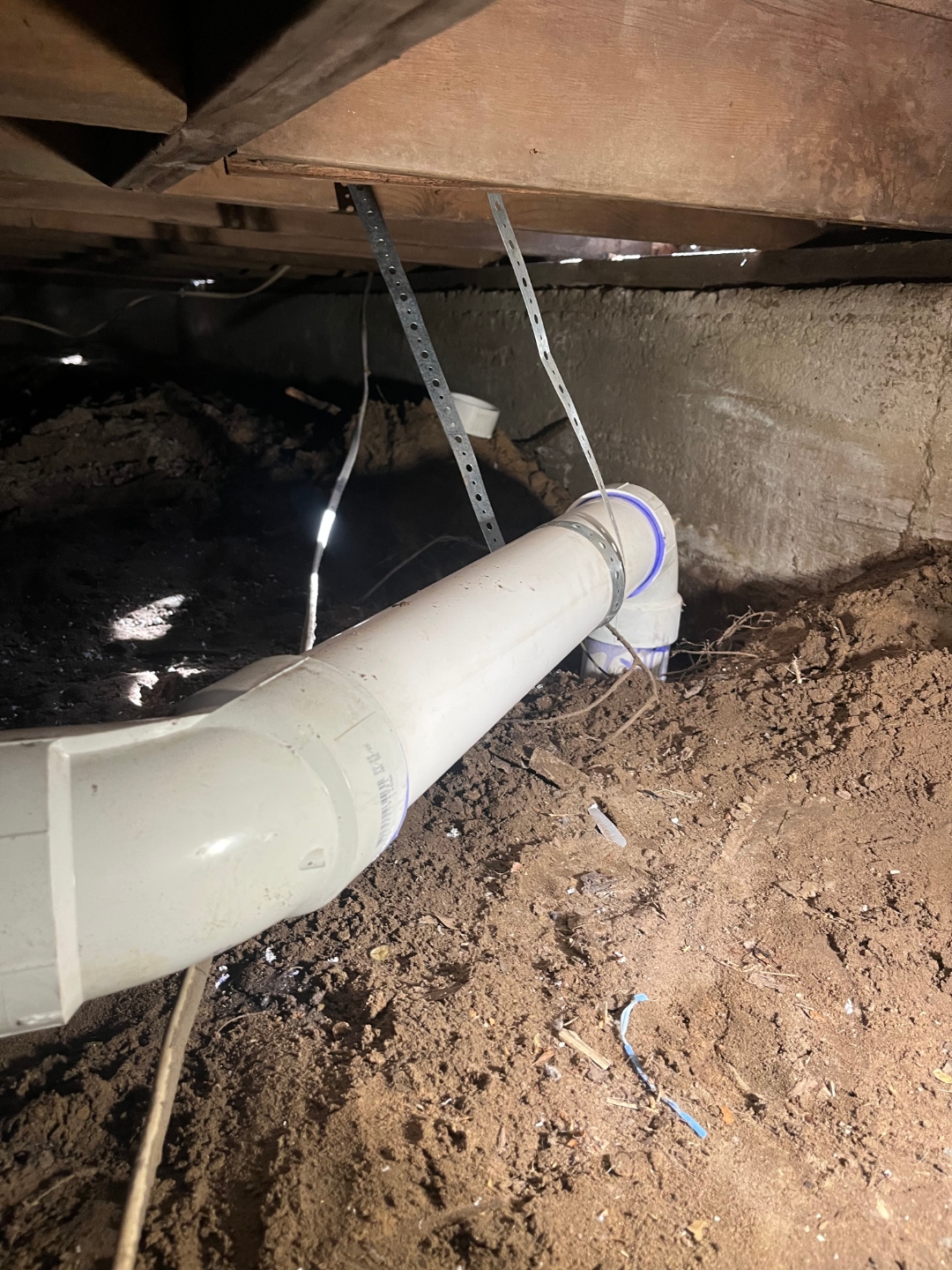
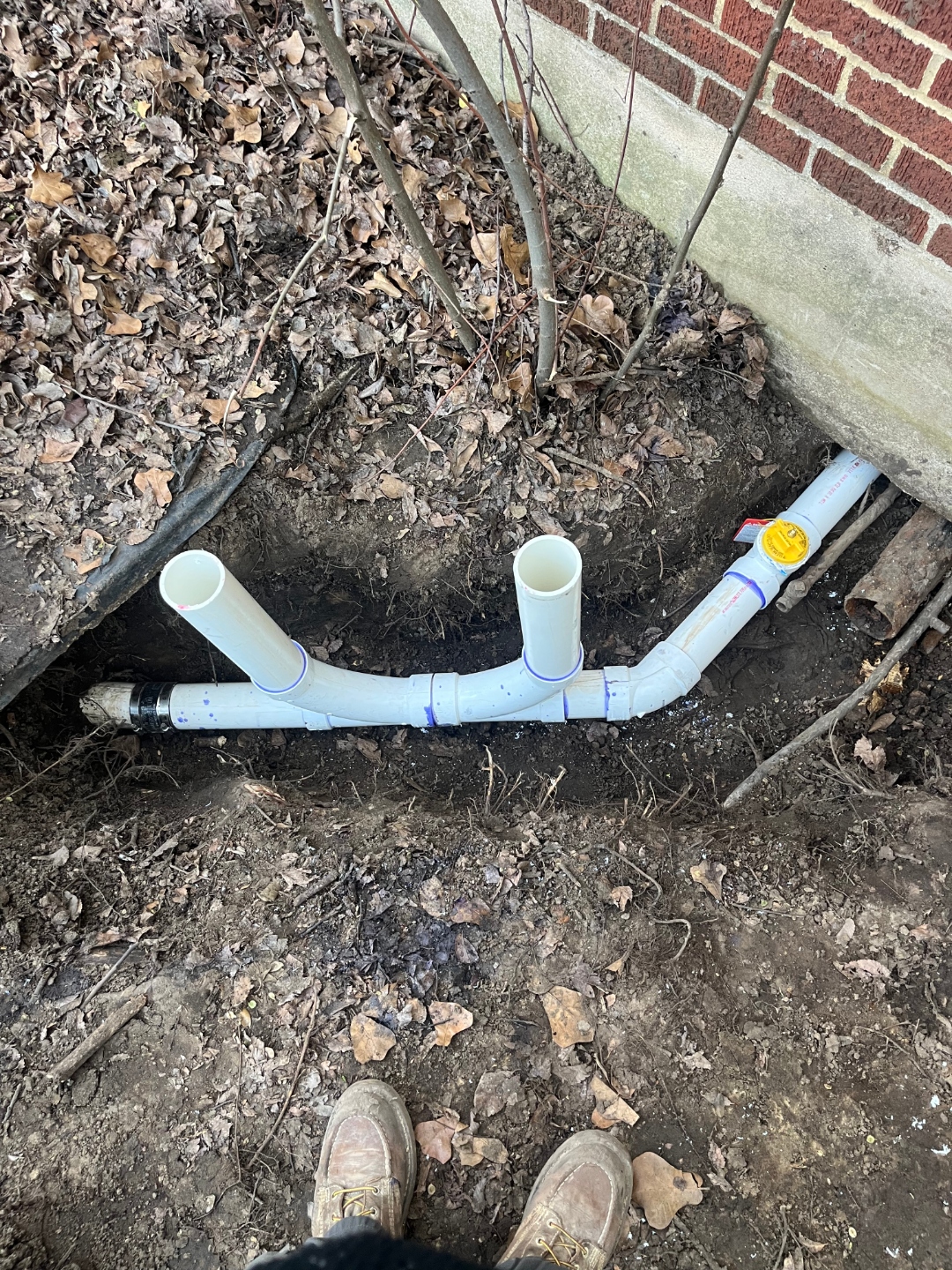
Homeowners in Denton know that the ground beneath their homes has a mind of its own. North Texas is known for its clay-rich soil, and Denton is no different. This type of soil plays a big role in how homes settle, shift, and function. One area most people don’t think about is how the soil affects plumbing. From pipe stress to foundation movement, the earth below your home can quietly create long-term plumbing issues.
Clay soil can hold water, shrink when dry, and swell when wet. That constant movement places pressure on underground plumbing lines. Many homeowners call for repairs only to learn the true cause started years earlier, right in the ground beneath them.
In this post we take a closer look at how Denton’s clay soil affects plumbing systems, common problems that come from soil changes, and how local homeowners can protect their homes.
Why clay soil behaves the way it does in Denton
Denton sits in part of North Texas where the ground contains a high amount of expansive clay. Local soil tests often show clay content above 50%, which is far higher than most U.S. cities. This clay type absorbs water like a sponge.
When heavy rain arrives, clay soil grows and pushes upward. When the weather becomes hot and dry, the soil shrinks and pulls away from foundations. This cycle—wet springs, hot summers, unpredictable fall storms—creates constant swelling and shrinking.
This movement might not seem dramatic on the surface, but underground plumbing lines can feel the pressure. Most pipes are rigid. They run through the soil and move each time the soil shifts.
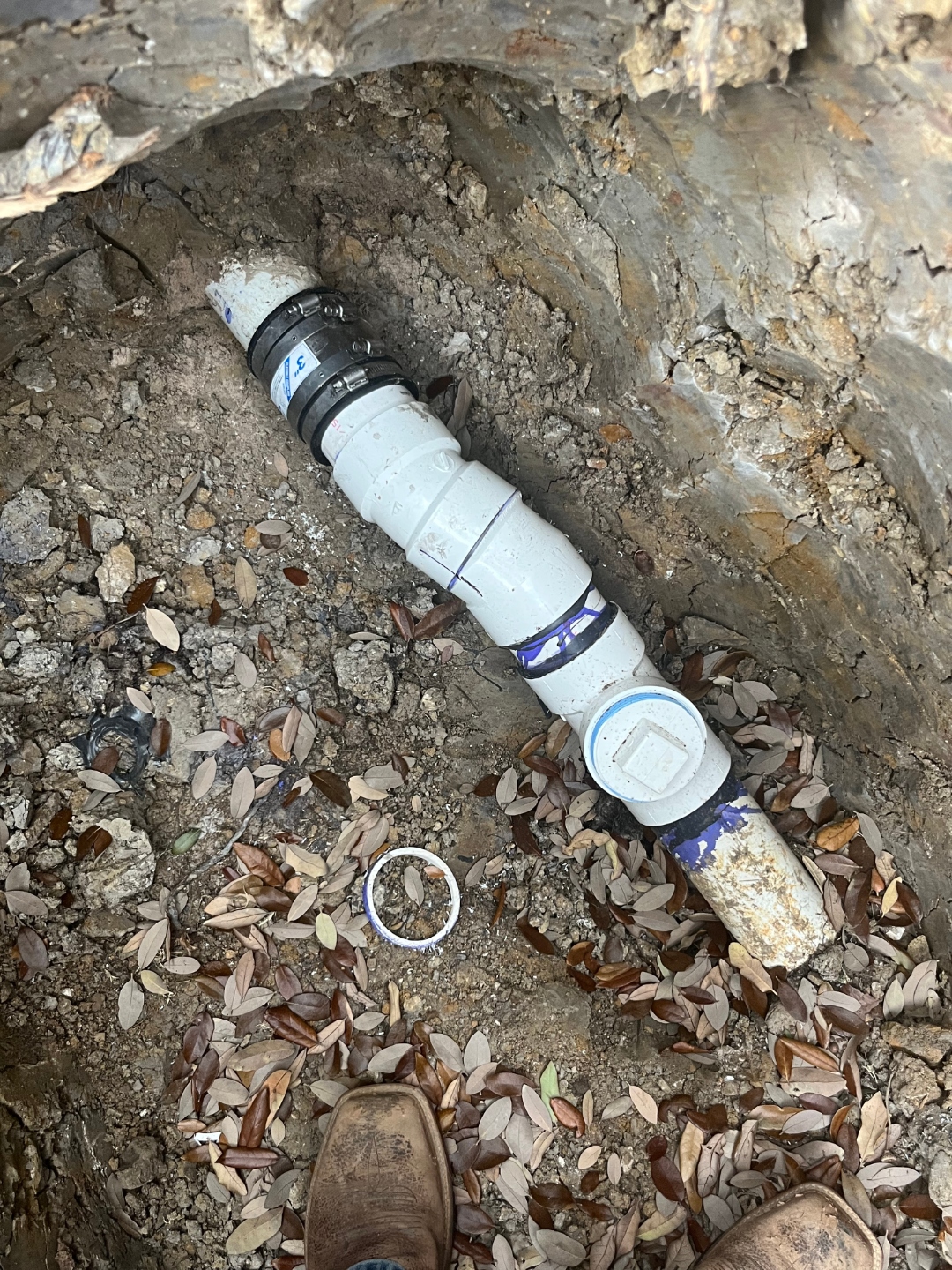
Foundation movement and plumbing problems
One of the biggest issues clay soil creates is movement in home foundations. A strong foundation depends on steady soil, but clay causes the house to move often. When the foundation shifts, even slightly, plumbing lines under the slab can be affected.
Here are common ways foundation movement leads to plumbing problems:
1. Pipe stress
Pipes under the slab aren’t built to bend or stretch. When the soil moves and the foundation shifts, it puts physical stress on the pipes. This leads to cracking, leaking, and even full breaks.
2. Slab leaks
A slab leak happens when a pipe running beneath the concrete foundation starts leaking. Many Denton homes built on slabs are prone to this, and soil movement is a major cause.
3. Uneven pressure
When soil moisture changes, different parts of the foundation rise or fall. This uneven support can cause some plumbing joints to pull apart more than others, leading to weak spots in the system.
Rain, drought, and how weather impacts your pipes
Denton’s weather swings make soil conditions unpredictable. These changes can affect plumbing systems throughout the year:
Heavy rain periods
When Denton gets strong rainfall, clay soil becomes waterlogged. As it expands, it pushes upward on foundations and pipes. If the pressure is high enough, lines may shift slightly. Over time, this stress creates cracks and joint separation.
Dry, hot summers
Long stretches of heat cause the soil to dry out and shrink. As the soil pulls back, pipes lose support. This lack of support can lead to sagging, where waste and water collect, eventually causing clogs or slow drainage.
Homeowners often notice more plumbing problems during late summer or early fall after months of dry weather.
Freeze events
Although Denton doesn’t experience long winters, sudden cold snaps happen. Clay soil that is already wet can expand even more when it freezes. This puts added pressure on pipes that are already under stress, making them more likely to crack or burst if ice forms inside them during freezing conditions. This increases the chances of burst pipes.
Sewer line issues caused by clay soil
Sewer lines are especially affected by soil movement. They are usually made of PVC or older materials like cast iron or clay. Movement causes these problems:
1. Pipe bellies
A “belly” in a sewer line is a dip or low spot caused by sagging. Clay soil that shrinks during hot weather can leave the pipe unsupported. Waste then collects in these areas, leading to clogs and bad smells.
2. Cracking and separation
When expanding soil pushes pipes upward, joints may separate. Even a small gap can allow soil, debris, or roots to enter the sewer system, causing a major blockage.
3. Root intrusion
Local tree species in Denton, such as pecan and oak, send roots into the soil in search of moisture. When soil shifts and creates even a tiny opening, roots will grow into it. Over time, they can block the entire line.
Water supply line problems caused by soil movement
Freshwater lines are usually pressurized, so even small leaks can turn into big ones. Clay soil can damage these lines in several ways:
- Pressure changes: When soil moves, pipes may bend slightly. With constant pressure inside the pipe, weak points can eventually burst.
- Corrosion around fittings: In older homes in Denton, water supply lines with metal fittings may corrode quicker if the soil has high moisture levels for long periods.
- Complete pipe breaks: A large shift in the foundation or soil can break a water line. Many homeowners learn about this when they see a fountain of water in their yard or when they notice wet spots around the home.
Warning signs your plumbing is affected
Catching plumbing problems early can prevent expensive damage. Watch for these signs that clay soil might be affecting your pipes:
- Slow drains throughout the house: If multiple drains are slow, the problem likely isn’t a simple clog. The main sewer line might be sagging or crushed by soil pressure or root intrusion.
- Unexplained wet spots: Soggy areas in your yard that don’t dry out, especially when you haven’t watered recently, often indicate a leak in the supply or sewer line.
- Higher water bills: A sudden spike in water usage without explanation suggests a hidden leak. The EPA estimates that household leaks can waste nearly 1 trillion gallons of water annually nationwide, with underground leaks being among the hardest to find.
- Gurgling sounds: Air bubbles in your plumbing system, which create gurgling noises, can indicate that soil movement has caused a break or blockages in your sewer line.
- Foundation cracks: New or growing cracks in your foundation, doors that stick, or gaps between walls and floors signal foundation movement that’s likely affecting your plumbing too.
- Low water pressure: A gradual decrease in water pressure throughout your home might mean supply lines are being crushed or bent by shifting soil.
- Sewage odors: Smells coming from drains or in your yard indicate sewer line damage that’s allowing gases to escape.
Haltex Plumbing serves Denton and the surrounding Denton County area from our headquarters at 2301 Colorado Blvd in Denton. Our master plumbers bring a combined 30+ years of experience to every job. We offer a FREE whole-home plumbing inspection, same-day service guarantee (call before noon), and a $75 referral program ($75 for you and $75 off for your friend). With a 4.9-star rating across 162+ reviews and BBB A+ accreditation, we're Denton County's award-winning plumber — Best of Denton two years running.
Haltex Plumbing is part of the Homeyer Enterprises family, alongside Stonemeyer Granite and The Design House. Whether you need plumbing, countertops, or interior design, our family of companies has you covered.
Frequently Asked Questions
Need a Plumber in Denton?
Schedule your free whole-home plumbing inspection today. We'll assess your system, explain your options upfront, and get the job done right — no surprises.
Call 940-999-7742