If you live in Corinth, TX, you've probably noticed the white chalky buildup on your faucets, the film on your glass shower doors, or the way your soap never quite seems to lather properly. That's hard water at work — and Corinth has some of the hardest water in all of North Texas.
Hard water isn't just a cosmetic nuisance. Left untreated, the high mineral content in Corinth's municipal water supply silently damages your plumbing infrastructure, shortens the lifespan of your water heater, and costs you money in higher energy bills every month. The good news? There are proven solutions that protect your home and your wallet.
Where Does Corinth's Water Come From?
Corinth receives its drinking water from the Upper Trinity Regional Water District (UTRWD), which sources water primarily from Lake Lewisville. The lake sits in a geological region rich in limestone, dolomite, and other calcium-heavy minerals. As water passes through these underground rock formations before reaching the reservoir, it picks up dissolved calcium and magnesium — the two minerals responsible for water hardness.
According to water quality data, Corinth's water typically measures between 120 and 180 parts per million (ppm) of dissolved minerals. To put that in perspective, the U.S. Geological Survey classifies anything above 121 ppm as "hard" and above 180 ppm as "very hard." Corinth homeowners are living right at the boundary — and during certain times of the year when lake levels change, mineral concentrations can spike even higher.
The city's most recent water quality report confirms that all regulated contaminants fall within EPA-mandated limits. That means the water is safe to drink. But "safe" and "gentle on your plumbing" are two very different things. The mineral content that passes EPA muster can still wreak havoc inside your pipes, appliances, and fixtures over years of continuous use.
How Hard Water Damages Your Plumbing System
Hard water damage doesn't happen overnight. It's a slow accumulation that reveals itself gradually — and by the time most Corinth homeowners notice the symptoms, the damage has been building for years. Here's what happens inside your plumbing:
Scale Buildup Inside Pipes
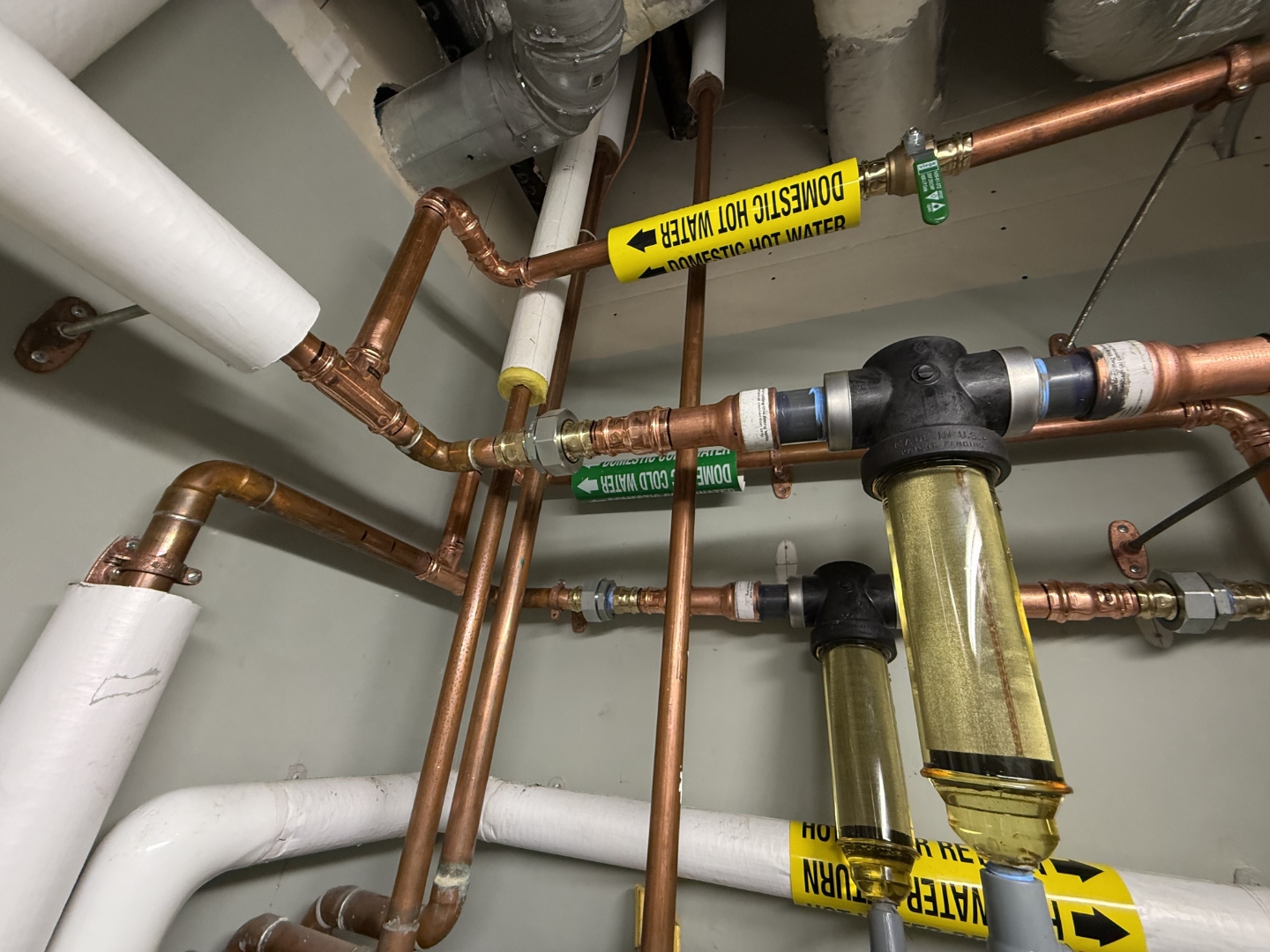
As hard water flows through your plumbing, calcium and magnesium precipitate out of the water and adhere to pipe walls. This mineral scale narrows the internal diameter of your pipes over time, restricting water flow. In homes built before 1990 — and Corinth has many, given the city's incorporation in the 1960s and housing boom through the 1970s–1990s — this problem compounds with already-aging galvanized steel or copper pipe systems.
Reduced pipe diameter means lower water pressure at every fixture. You'll notice it first in showers and kitchen faucets. If multiple fixtures run simultaneously, the pressure drop becomes dramatic. What many homeowners assume is a municipal water pressure problem is often scale buildup inside their own supply lines.
Water Heater Damage
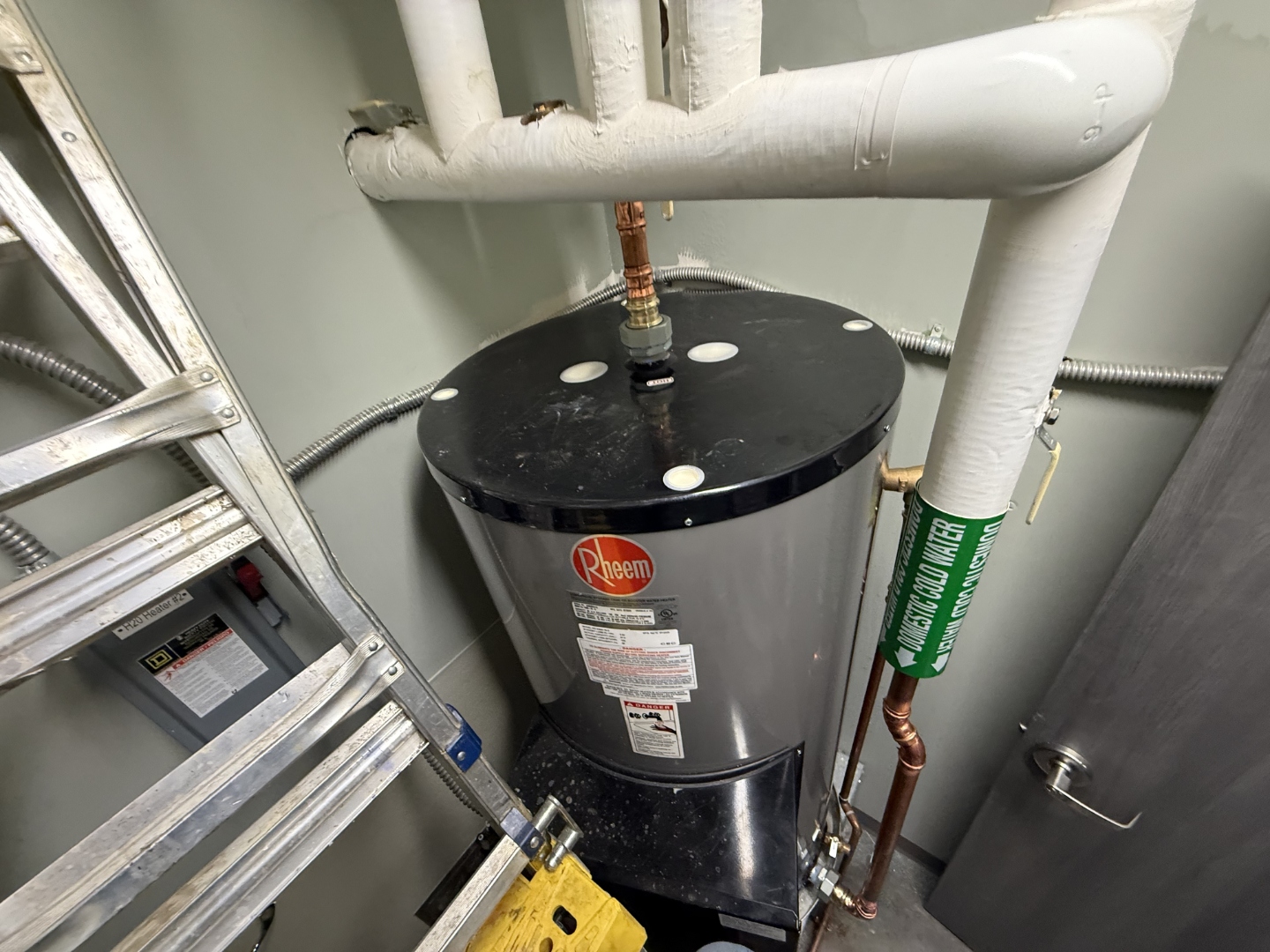
Your water heater is the single appliance most vulnerable to hard water. Here's why: when water is heated, dissolved minerals precipitate out faster and settle to the bottom of the tank as sediment. In Corinth's hard water, this sediment layer can grow thick enough within just two to three years to form a solid crust between the burner (or heating element) and the water above.
This insulating layer of scale forces your water heater to run longer and hotter to achieve the same water temperature, increasing your energy bills by an estimated 25–30%. Worse, the excess heat stress causes the tank lining to deteriorate faster. A standard tank water heater that should last 10–12 years in an area with soft water may fail in just 6–8 years in Corinth without regular flushing.
You'll hear the damage before you see it: a popping or rumbling sound from your water heater is the sound of steam bubbles escaping through hardened sediment. That's your water heater working overtime and wearing out prematurely.
Fixture and Appliance Wear
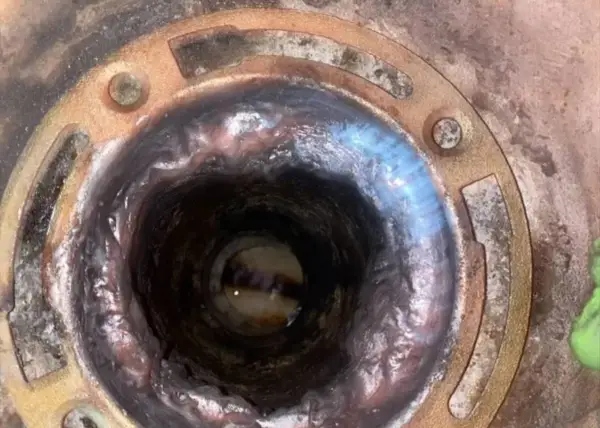
Hard water deposits coat the internal components of dishwashers, washing machines, refrigerator water dispensers, and every faucet in your home. Rubber seals dry out faster, valve cartridges stick and fail, and aerator screens clog with mineral residue. The average Corinth household replaces faucet aerators and showerheads far more often than homeowners in cities with softer water.
Homes Built Before 1987: A Special Concern
If your Corinth home was built before 1987, there's an additional risk. Homes constructed before the EPA's Lead and Copper Rule amendment may contain lead solder in their plumbing joints. Hard water's slightly acidic mineral profile can accelerate the corrosion of lead solder, potentially introducing trace amounts of lead into your drinking water. If your home falls in this age range, a water quality test and potentially a whole-home repipe should be on your radar.
Signs You Have Hard Water Problems
Many Corinth homeowners live with hard water symptoms for years without connecting them to a single root cause. Here are the telltale signs:
- White or yellowish scale on faucets, showerheads, and around drain openings
- Soap scum that won't rinse cleanly from bathtubs, shower walls, and sinks
- Spots and film on glassware and dishes even after running the dishwasher
- Stiff, scratchy laundry despite using fabric softener
- Dry skin and flat hair after showering — hard water prevents soap from fully rinsing
- Declining water pressure throughout the house
- Popping or rumbling sounds from your water heater
- Higher energy bills with no change in usage patterns
- Frequent plumbing repairs — faucet cartridges, aerators, and valves failing prematurely
If you recognize three or more of these symptoms, hard water is almost certainly the culprit.
Effective Hard Water Solutions for Corinth Homes
There's no single magic fix for hard water, but the right combination of solutions can dramatically extend the life of your plumbing and appliances. Here's what we recommend to Corinth homeowners:
1. Whole-Home Water Softener
A water softener is the most effective long-term solution for hard water. These systems use ion exchange technology to replace calcium and magnesium ions with sodium ions, effectively "softening" the water before it enters your home's plumbing system.
For most Corinth homes, a properly sized salt-based water softener will reduce hardness levels from the 120–180 ppm range down to under 20 ppm. The result is dramatically less scale buildup, longer appliance life, better soap lathering, and softer skin and hair.
Installation typically requires connecting the unit to your main water line where it enters the home, before the water heater. A licensed plumber should handle the installation to ensure proper sizing (based on your household's water usage and hardness level), correct placement, and code compliance.
2. Regular Water Heater Flushing
Whether or not you install a softener, your water heater needs regular flushing to remove accumulated sediment. In Corinth, we recommend flushing tank-style water heaters at least once a year — twice a year for older units or homes without a softener.
During a flush, a plumber drains the tank completely, agitates loose sediment, and removes the mineral deposits that have settled on the bottom. This simple procedure can add years to your water heater's lifespan and restore lost energy efficiency. If you're already hearing popping sounds, a professional flush should be your immediate next step.
3. Descaling Treatments for Existing Buildup
If hard water has already narrowed your pipes or crusted your fixtures, descaling treatments can help restore flow. Professional descaling involves circulating a safe, acid-based solution through affected sections of your plumbing to dissolve mineral deposits. This is especially effective for tankless water heaters, which have narrow internal passages that are highly susceptible to scale buildup.
4. Point-of-Use Filtration
For homeowners who want improved water quality at specific locations — a kitchen sink for drinking water, for example — point-of-use filters provide targeted treatment. Reverse osmosis systems installed under the kitchen sink remove minerals, chloramine (which Corinth's water treatment facility uses as a disinfectant), and other dissolved solids.
Point-of-use systems don't replace a whole-home softener for protecting plumbing, but they complement one nicely by providing premium drinking water at the tap.
5. Upgrading to a Tankless Water Heater
If your current water heater is nearing end-of-life due to hard water damage, consider upgrading to a tankless model. Tankless water heaters don't store water, so there's no tank for sediment to accumulate in. However, they still require annual descaling in hard water areas like Corinth to keep internal heat exchanger passages clear. A 50-gallon tank replacement typically runs between $2,000 and $4,000, and tankless units fall in a similar range depending on the model and installation complexity. If you're ready to explore your options, check out our guide on when to replace your water heater in Corinth.
What Does a Hard Water Inspection Include?
At Haltex Plumbing, we offer a free whole-home plumbing inspection that includes an assessment of hard water damage throughout your system. During the inspection, our technicians will:
- Test your water hardness level with a calibrated meter
- Inspect water heater for sediment depth and anode rod condition
- Check water pressure at multiple fixtures to identify scale-restricted lines
- Examine faucet cartridges and valve bodies for mineral damage
- Assess pipe age and material (especially important in pre-1987 Corinth homes)
- Recommend a customized treatment plan based on your home's specific conditions
We've served Corinth and the surrounding Denton County area since 2021, and our master plumbers bring a combined 30+ years of experience to every job. With a 4.9-star rating across 162+ reviews and BBB A+ accreditation, we stand behind every recommendation and repair.
Why Hard Water Matters More in Corinth Than Most Cities
Not every North Texas city deals with hard water equally. Corinth's unique position — drawing from Lake Lewisville through the UTRWD system, with a housing stock that spans from the 1970s to today — creates a combination of factors that make hard water damage more aggressive here than in neighboring communities with newer plumbing or different water sources.
The older sections of Corinth, particularly neighborhoods established in the decades after the city's 1960s incorporation, have galvanized steel and copper plumbing systems that are already 30–50 years old. Adding decades of hard water exposure to aging pipe infrastructure creates a compounding problem: scale narrows the pipes, increased pressure wears the pipe walls, and what was a 50-year pipe becomes a 30-year pipe.
Haltex Plumbing is headquartered at 2301 Colorado Blvd in Denton — just minutes from Corinth. We know this community's plumbing challenges intimately because we've worked in these homes hundreds of times. Whether you need a water heater flush, a softener installation, or a full repipe assessment, we can be at your door the same day you call (if you call before noon).
As part of the Homeyer Enterprises family of companies, we work alongside Stonemeyer Granite and The Design House to serve Denton County homeowners with everything from plumbing to countertops to full-service interior design. If hard water damage has you thinking about a kitchen or bathroom refresh, our sister companies can help you see the full picture.
Frequently Asked Questions
Worried About Hard Water Damage in Your Corinth Home?
Schedule your free whole-home plumbing inspection today. We'll test your water hardness, check for damage, and recommend the right solution — no obligation.
Call 940-999-7742