Gas lines are an essential part of many homes and businesses in Denton, supplying fuel for heating, cooking, and various appliances. However, because gas lines operate largely out of sight, they are often neglected until an issue arises. Gas leaks or damaged gas lines can present serious risks to property and health, from fire hazards to carbon monoxide poisoning.
Ensuring your gas lines are properly maintained and repaired is important to keeping your home and business safe. In this post, we cover how to spot potential issues, the repair process, and tips for preventing problems before they arise.
Understanding the Risks of A Damaged Gas Line
A damaged or leaking gas line is a serious issue that needs immediate attention. Natural gas, while a safe and efficient energy source, is highly combustible. Even a small leak can lead to devastating consequences, including explosions, fires, and health issues. Carbon monoxide, a byproduct of burning natural gas, is an odorless and colorless gas that can cause symptoms like headaches and nausea. It can even lead to more severe effects like unconsciousness and even death if inhaled in large quantities.
Homeowners and business owners need to be aware of the signs of a potential gas line issue and take action immediately to ensure the safety of their property and everyone inside.
Signs You May Need To Repair A Gas Line
Because gas lines are typically underground or hidden behind walls, detecting a problem is not always easy. However, there are several common signs that can help you identify whether a gas line is leaking.
Unusual odors:
One of the most obvious signs of a gas leak is the smell of rotten eggs. Gas companies add a harmless chemical called mercaptan to natural gas to give it this distinctive odor, making leaks easier to detect.
Hissing or whistling sounds:
If you hear a hissing or whistling noise near your gas appliances or gas lines, it could indicate a gas leak. This sound is often caused by gas escaping through a damaged or faulty pipe.
Dead plants or vegetation:
Gas leaks can damage plants, grass, or other vegetation in your yard. If you notice dead or dying plants in a specific area of your lawn, it could be a sign of an underground gas leak.
Increased gas bills:
If your gas usage suddenly spikes without an increase in appliance use, it could be a sign of a slow leak in your gas line. Small leaks can waste significant amounts of gas over time, leading to higher bills over time.
Physical symptoms:
Exposure to a gas leak can cause physical symptoms such as dizziness, nausea, headaches, and difficulty breathing. If you or your family members experience these symptoms while inside the home, leave immediately and contact emergency services.
Why You Should Never Delay Repairing A Gas Line
Delaying a gas line repair can be dangerous and costly. As mentioned earlier, even a minor gas leak can lead to significant safety risks and property damage. Here are a few key reasons why it’s important to address any gas line issue very promptly:
1. Safety risks:
The primary reason to act quickly is safety. Leaking gas can result in fires, explosions, and carbon monoxide poisoning. A damaged gas line poses a significant risk to your family or employees, so it’s important to take immediate action.
2. Property damage:
If a gas leak leads to a fire or explosion, the structural damage to your property can be catastrophic. Repairing a gas line as soon as a problem is detected can prevent such scenarios.
3. Legal and insurance issues:
If a gas leak causes damage to your property or others, you may be held legally responsible. Additionally, insurance companies may not cover damages if they determine that the issue arose from negligence.
How Is A Gas Line Repaired?
1. Initial inspection and leak detection:
A licensed plumber will conduct a thorough inspection of your gas lines to locate the source of the leak or damage. They will use specialized tools such as gas detectors or pressure tests to identify the exact location of the leak or damage.
2. Shutting off the gas supply:
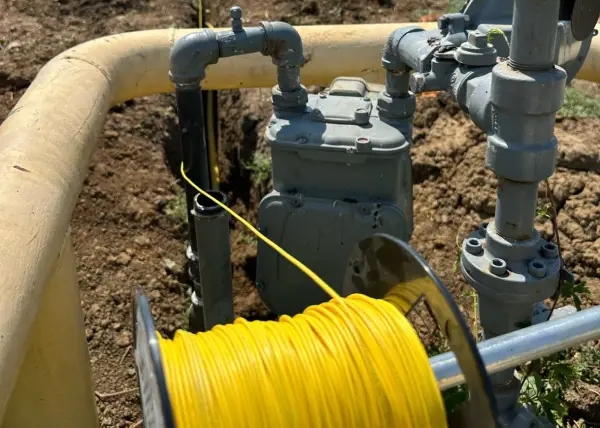
Before any repairs begin, the gas supply to your home or business will be turned off to ensure safety. This is typically done at the main gas meter or by the gas company.
3. Repairing or replacing the gas line:
Depending on the severity of the issue, the plumber will either repair the damaged section of the line or replace it entirely. For minor leaks, a patch or sealant may be sufficient. However, if the pipe is corroded or cracked, a replacement may be necessary.
4. Testing and inspection:
Once the repair is complete, the plumber will thoroughly test the system to ensure there are no remaining leaks. They may perform a pressure test to confirm that the gas line is functioning correctly and safely.
5. Restoring the gas supply:
After verifying that the repair is successful, the gas supply will be restored, and your appliances can be safely turned back on.
Haltex Plumbing serves Denton and the surrounding Denton County area from our headquarters at 2301 Colorado Blvd in Denton. Our master plumbers bring a combined 30+ years of experience to every job. We offer a FREE whole-home plumbing inspection, same-day service guarantee (call before noon), and a $75 referral program ($75 for you and $75 off for your friend). With a 4.9-star rating across 162+ reviews and BBB A+ accreditation, we're Denton County's award-winning plumber — Best of Denton two years running.
Haltex Plumbing is part of the Homeyer Enterprises family, alongside Stonemeyer Granite and The Design House. Whether you need plumbing, countertops, or interior design, our family of companies has you covered.
Frequently Asked Questions
Need a Plumber in Denton?
Schedule your free whole-home plumbing inspection today. We'll assess your system, explain your options upfront, and get the job done right — no surprises.
Call 940-999-7742