When it comes to keeping your home supplied with hot water, you generally have two main choices: gas or electric. For many homeowners here in North Texas, understanding the differences between these two systems can help you make the best decision for your needs and budget.
Let’s break down the advantages and disadvantages of both gas and electric water heaters, considering efficiency, cost, and overall performance in our local climate.
How they work: The basics
First, it helps to understand the fundamental way each type operates.
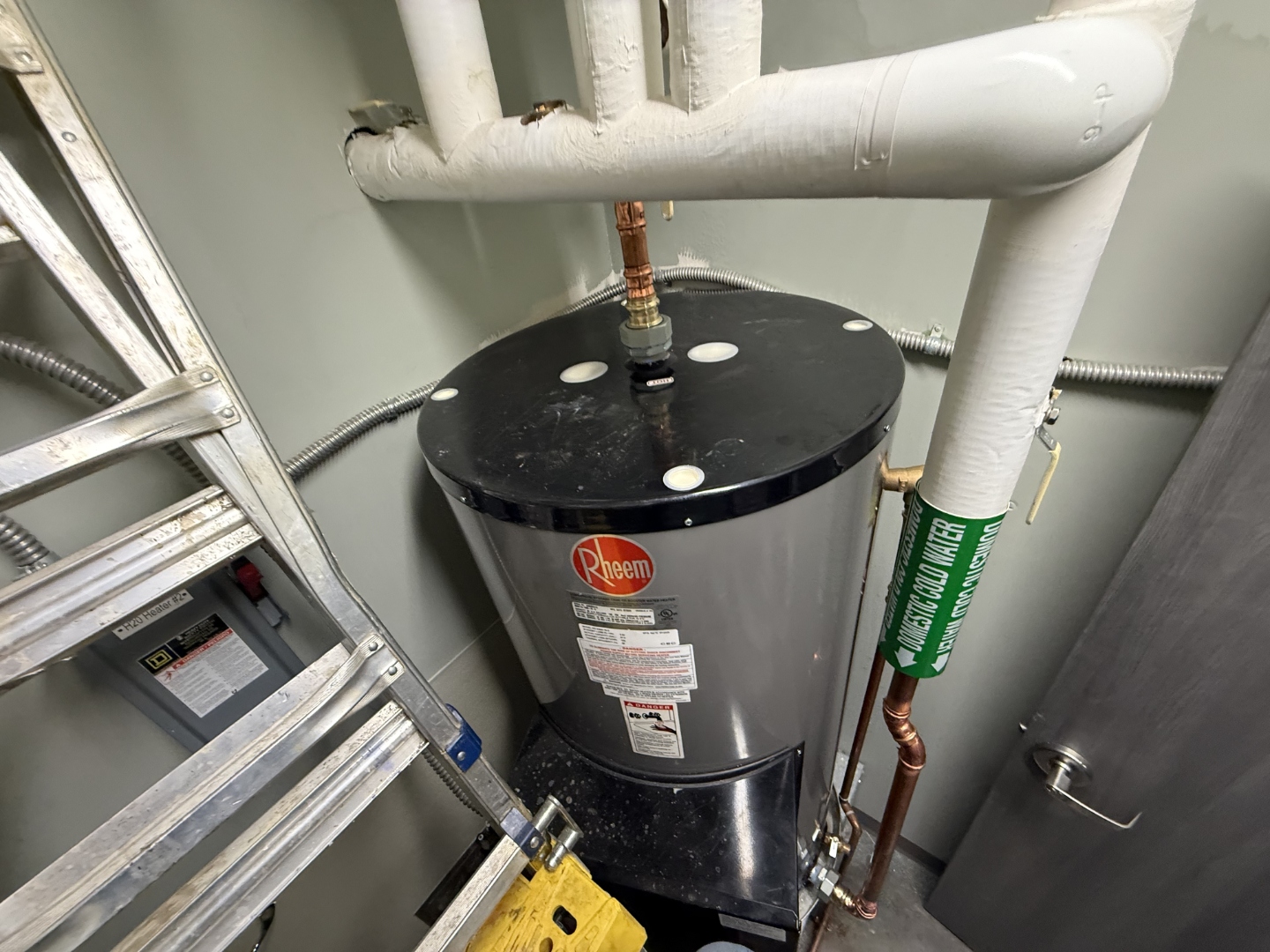
Gas water heaters: These units use a gas burner (either natural gas or propane) to heat a tank of water. The burner is located at the bottom of the tank, and the exhaust is vented out through a chimney or flue. Gas water heaters are known for their ability to heat water quickly and efficiently, providing a steady supply for your home. When you use hot water, the tank refills with cold water, and the burner fires up to heat it again. This is often called their “recovery rate.” They can heat a good amount of water in a short time. This makes them great for households with frequent hot water use.
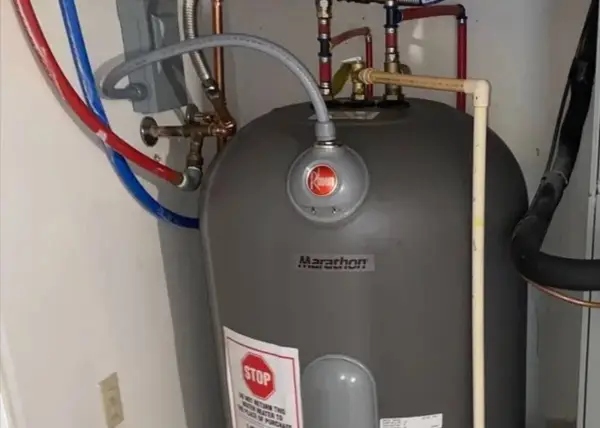
Electric water heaters: These units use electric heating elements, usually two of them (one at the top and one at the bottom), to heat the water in the tank. They are generally simpler in design and don’t require a pilot light or gas lines. Electric water heaters do not require venting for exhaust, which can make their installation simpler and more flexible in different areas of your home. However, they tend to heat water more slowly than gas models.
Benefits
Here are some key benefits for each type.
Gas water heaters
- Faster recovery rate: Gas water heaters heat water much more quickly than electric models. This is a big plus for larger families or households that use a lot of hot water in a short period. You’re less likely to run out of hot water.
- Lower operating costs: Natural gas is generally more affordable than electricity in the region. This means that even if a gas water heater has a higher upfront cost, its monthly running costs are often lower, leading to savings over time.
- Operation during power outages: Many gas water heaters, especially older models with pilot lights, can continue to provide hot water even if the electricity goes out. This offers comfort and convenience during storms or grid issues.
- Suitable for high demand: Because of their faster heating capabilities, gas water heaters are very well-suited for homes with multiple bathrooms and high-demand appliances, ensuring a consistent supply.
- Environmentally friendly: While burning natural gas produces emissions, it’s often considered cleaner than electricity generated from coal or other fossil fuels. When paired with high-efficiency models, the overall environmental impact can be favorable.
Electric water heaters
- Lower upfront costs: Electric water heaters typically cost less to purchase and install compared to gas models. They don’t require a venting system or gas lines, which simplifies the initial setup.
- Higher energy efficiency: Electric water heaters are very efficient at converting the electricity they use into heat, often with nearly 100% of the energy going directly into the water. This means less energy is wasted during the heating process itself.
- Easier installation flexibility: Since they don’t need venting or gas lines, electric water heaters can be installed in more locations, including closets and crawl spaces, offering more flexibility in terms of placement.
- No risk of gas leaks or carbon monoxide: Without the use of natural gas or propane, electric water heaters eliminate the risks associated with gas leaks or carbon monoxide poisoning, which can offer greater peace of mind for some homeowners.
- Potential for zero on-site emissions: If your home’s electricity comes from renewable sources, an electric water heater can operate with zero on-site carbon emissions, making it an excellent choice for environmentally focused homeowners. Heat pump electric water heaters are also an option to consider due to their extreme efficiency.
Tips for picking the right water heater type
Check your home’s existing setup
Start by looking at what kind of energy lines you already have. If your home has natural gas, installing a gas water heater is usually straightforward since the connections are likely in place; otherwise, you’d face higher costs for new gas lines and venting. For electric models, ensure your electrical system can handle the power demands, as an upgrade could add to the initial expense.
Figure out your hot water needs
Consider how many people live in your home and when you use the most hot water. If you have a large family or often use several showers at once, a water heater with a faster “recovery rate” will be better to prevent running out of hot water. Look at the unit’s First Hour Rating to see how many gallons it can deliver in an hour during peak use.
Understand all the costs involved
Don’t just look at the purchase price; also think about what you’ll pay over time. Gas water heaters usually cost more to install but offer lower operating expenses in North Texas because natural gas is generally cheaper than electricity. Electric water heaters are often cheaper to install but can lead to higher utility bills each month in our area.
Consider space and placement
Gas water heaters need a safe place with proper venting to release exhaust, like a garage or utility closet. Electric water heaters offer more flexibility since they don’t require venting and can be installed in more varied spots around your home. If space is very limited, a compact tankless model might be worth considering.
Think about maintenance and how long it will last
Both types of water heaters benefit from annual flushing to prevent sediment buildup. Electric heaters typically have a slightly longer lifespan compared to gas models and often require less complex maintenance since they don’t involve gas lines or combustion components.
Haltex Plumbing serves Denton and the surrounding Denton County area from our headquarters at 2301 Colorado Blvd in Denton. Our master plumbers bring a combined 30+ years of experience to every job. We offer a FREE whole-home plumbing inspection, same-day service guarantee (call before noon), and a $75 referral program ($75 for you and $75 off for your friend). With a 4.9-star rating across 162+ reviews and BBB A+ accreditation, we're Denton County's award-winning plumber — Best of Denton two years running.
Haltex Plumbing is part of the Homeyer Enterprises family, alongside Stonemeyer Granite and The Design House. Whether you need plumbing, countertops, or interior design, our family of companies has you covered.
Frequently Asked Questions
Need a Plumber in Denton?
Schedule your free whole-home plumbing inspection today. We'll assess your system, explain your options upfront, and get the job done right — no surprises.
 Call 940-999-7742