Hot water is part of daily life in Denton County. From early morning showers to late-night dishwashing, most homes rely on a water heater many times each day. Since water heating uses a large share of household energy, the type of system in place can affect monthly bills year-round.
In North Texas, where summer electricity demand rises and winter cold snaps appear with little warning, that number can climb fast. Choosing an energy-efficient water heater helps control costs while keeping daily routines comfortable.
This guide explains energy-efficient water heating choices that fit Denton County homes, local weather patterns, and common household needs.
Why Denton County homes benefit from energy-efficient water heaters
Denton County includes a mix of older houses and newer developments. Many properties still rely on water heaters installed more than a decade ago. Older units tend to waste energy through heat loss and outdated controls.
Local weather plays a role as well. Summers stretch long and hot, pushing electricity use higher. Winter freezes, though brief, can raise hot water demand overnight. Efficient water heaters respond better to these shifts without driving up utility bills.
According to the Energy Information Administration, households that switch to higher-efficiency water heaters often lower water heating costs by 10 to 35 percent, depending on system type and usage.
High-efficiency tank water heaters
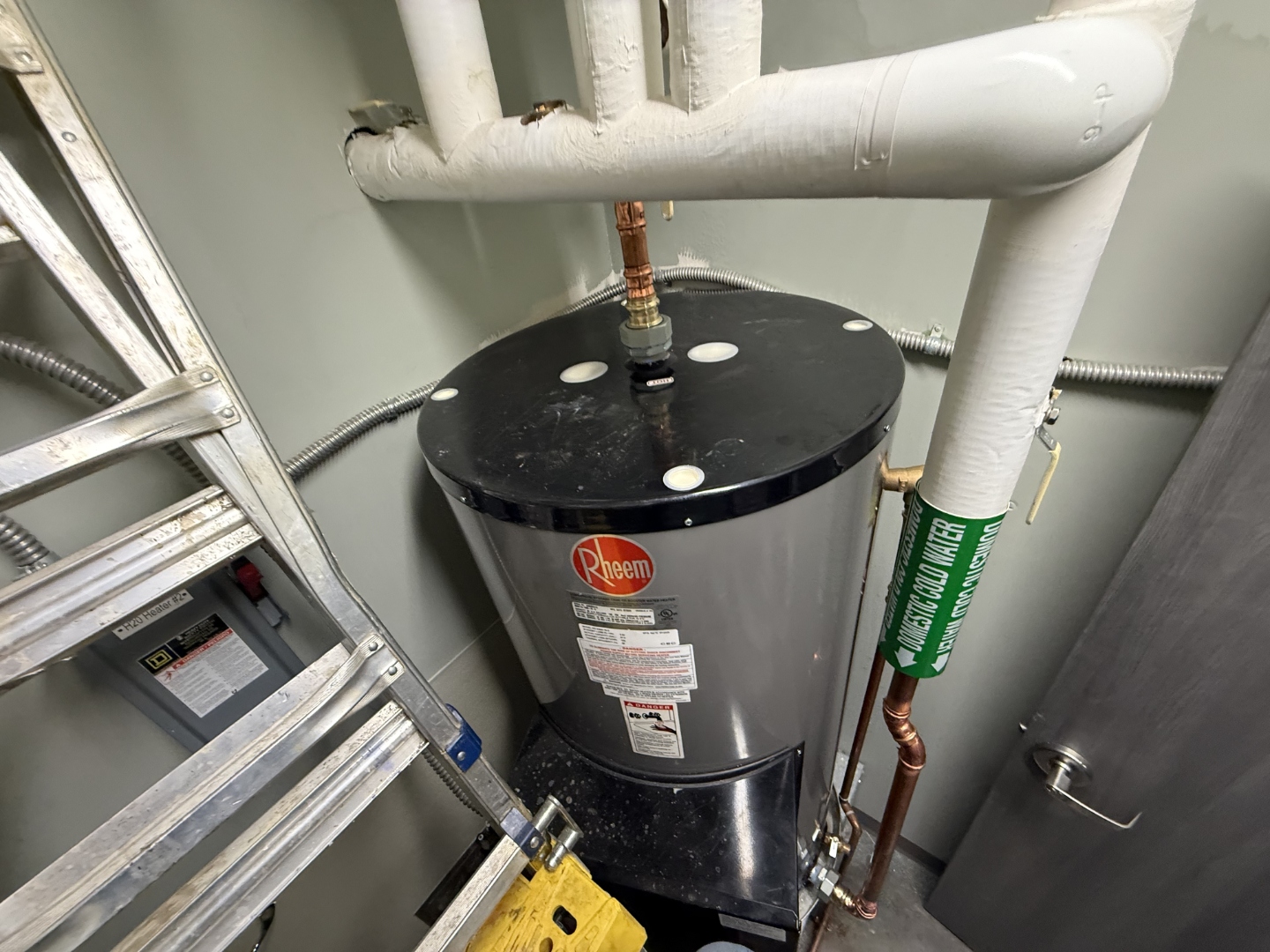
Tank water heaters store heated water in a large insulated tank and keep it ready for use. While older tank systems lose heat throughout the day, modern high-efficiency versions address this issue through better design.
How these systems improve efficiency
- Thicker insulation slows heat loss
- Improved burners or heating elements reduce fuel waste
- More accurate thermostats maintain stable temperatures
Gas tank models with Energy Factor ratings above 0.67 perform far better than older units still found in many Denton homes. Electric tank models with Energy Factor ratings near 0.95 suit homes with predictable water use patterns.
Best fit for:
- Small to medium households
- Homes replacing older tank units
- Properties with limited space for upgrades
Tank systems remain popular due to lower upfront cost and simple operation.
Tankless water heaters
Tankless water heaters heat water only when it flows through the unit. Instead of storing hot water, these systems use high-powered burners to raise water temperature instantly.
How tankless systems stand out
- No standby heat loss
- Continuous hot water supply
- Compact wall-mounted design
Gas tankless systems handle higher demand and work well for larger Denton County households. Electric tankless models offer a space-saving solution for smaller apartments or point-of-use locations like guest bathrooms.
Local considerations
Mineral content in Denton County water can affect internal components. Routine flushing supports consistent performance and prevents scale buildup inside the heat exchanger.
Heat pump water heaters
Heat pump water heaters pull warmth from the nearby air and transfer it into the water using electricity. Rather than creating heat directly, the system moves existing warmth, which uses far less energy.
Why heat pumps perform well locally
- North Texas temperatures support year-round operation
- Reduced electrical consumption lowers monthly costs
- Many rebate programs apply to heat pump systems
Installation needs
Heat pump units require space with airflow, making garages and utility rooms ideal. Homes with high ceilings or unfinished basements often see the best performance and energy savings.
Solar water heating systems
Solar water heaters rely on roof-mounted collectors to absorb sunlight and transfer heat to stored water. This approach provides a sustainable alternative to fossil fuel-based technology for much of the year.
Common system designs
- Active systems using pumps and controls
- Passive systems using natural circulation
Most solar installations pair with a backup heater for periods of low sunlight or increased demand.
Ideal use cases
- Homes with suitable roof exposure
- Long-term homeowners planning energy upgrades
- New builds or major renovations
Condensing gas water heaters
Condensing gas water heaters recover heat from exhaust gases that standard units release. This reclaimed energy pre-heats incoming water, which boosts overall efficiency.
These systems reach efficiency levels near 95 percent, which is much higher than traditional gas models.
Who benefits most?
- Large families
- Homes with several bathrooms
- High daily hot water demand
Condensing systems require proper venting and drainage, though many Denton County homes already meet these structural requirements.
Hybrid water heating systems
Hybrid systems combine two heating methods within one unit. A common example pairs a heat pump with traditional electric heating elements. The unit switches modes based on demand.
How hybrid systems operate
- Heat pump mode handles normal use
- Electric elements assist during peak demand
This approach balances efficiency and performance, making hybrids a flexible option for households with varying hot water needs.
Comparing efficiency across water heating options
- Standard electric tank: Stores heated water in a tank, loses energy while idle, highest operating cost, fits homes with straightforward layouts and lower installation budgets.
- High-efficiency tank: Improved insulation lowers heat loss, moderate energy savings, suits replacement of older tank units without major plumbing changes.
- Tankless water heater: Heats water only during use, no standby loss, efficiency depends on usage pattern, fits homes with limited space and high hot water demand.
- Heat pump water heater: Moves heat from air into water, very low electricity use, slower recovery during heavy use, fits homes with adequate installation space.
- Hybrid water heater: Combines heat pump operation with electric elements, switches modes based on demand, balances energy savings with the need for consistent hot water, fits homes with changing usage levels.
- Solar water heater: Uses sunlight for heating, minimal utility energy use, backup heater supports demand, fits homes with optimal roof orientation.
- Condensing gas water heater: Reuses exhaust heat, very high efficiency, handles heavy daily demand, fits larger households.
Haltex Plumbing serves Denton and the surrounding Denton County area from our headquarters at 2301 Colorado Blvd in Denton. Our master plumbers bring a combined 30+ years of experience to every job. We offer a FREE whole-home plumbing inspection, same-day service guarantee (call before noon), and a $75 referral program ($75 for you and $75 off for your friend). With a 4.9-star rating across 162+ reviews and BBB A+ accreditation, we're Denton County's award-winning plumber — Best of Denton two years running.
Haltex Plumbing is part of the Homeyer Enterprises family, alongside Stonemeyer Granite and The Design House. Whether you need plumbing, countertops, or interior design, our family of companies has you covered.
Need a Plumber in Denton?
Schedule your free whole-home plumbing inspection today. We'll assess your system, explain your options upfront, and get the job done right — no surprises.
Call 940-999-7742