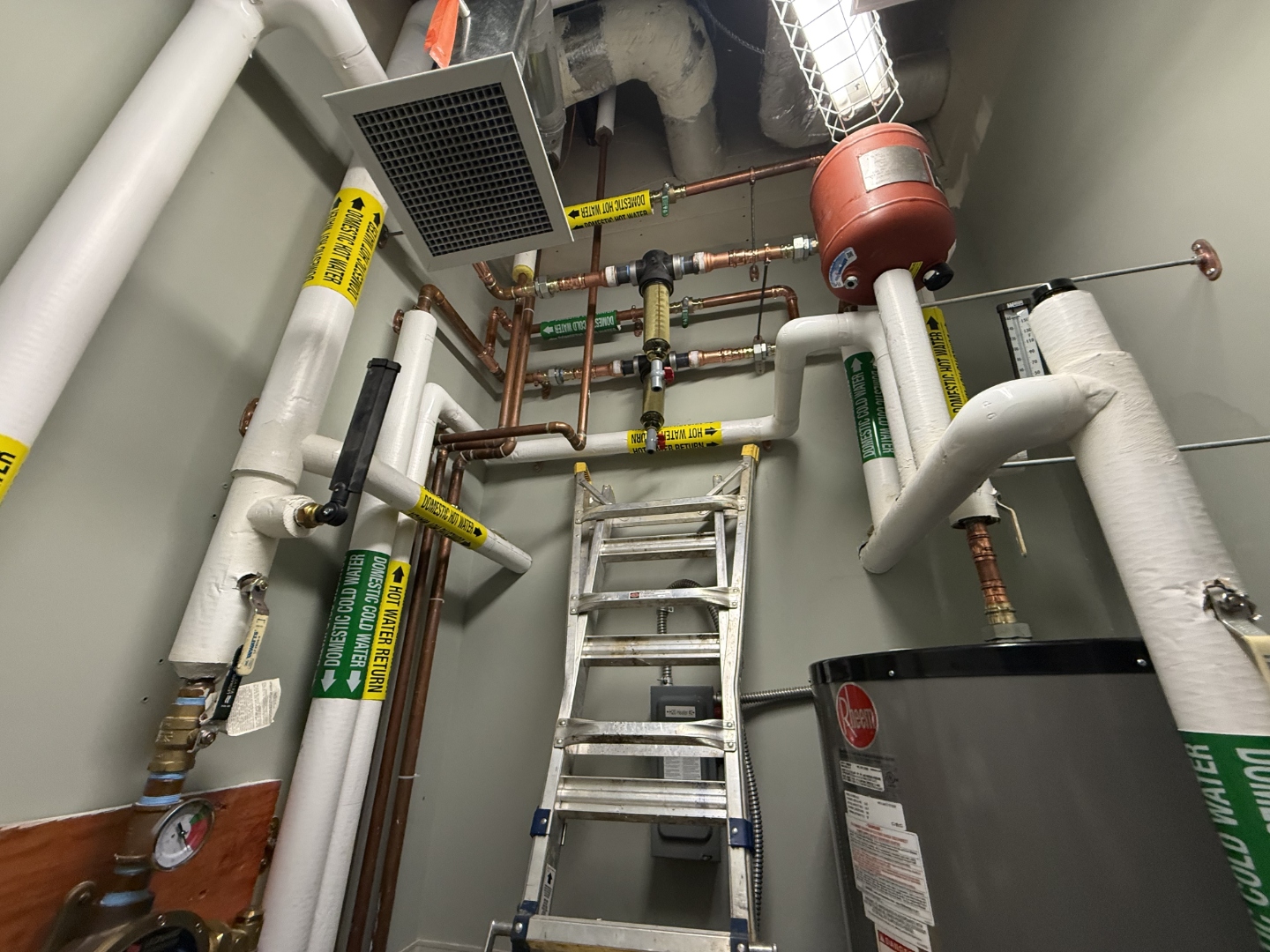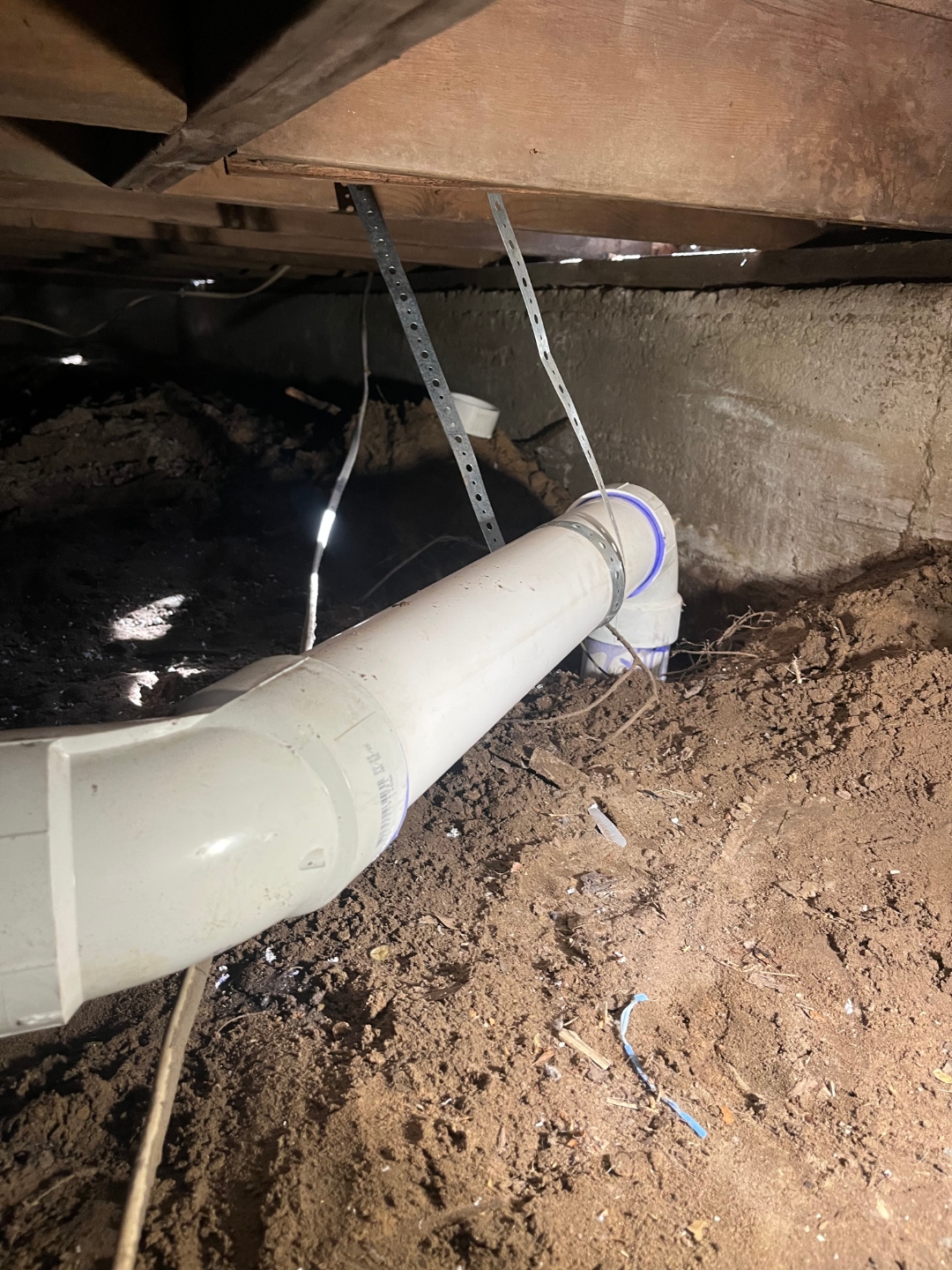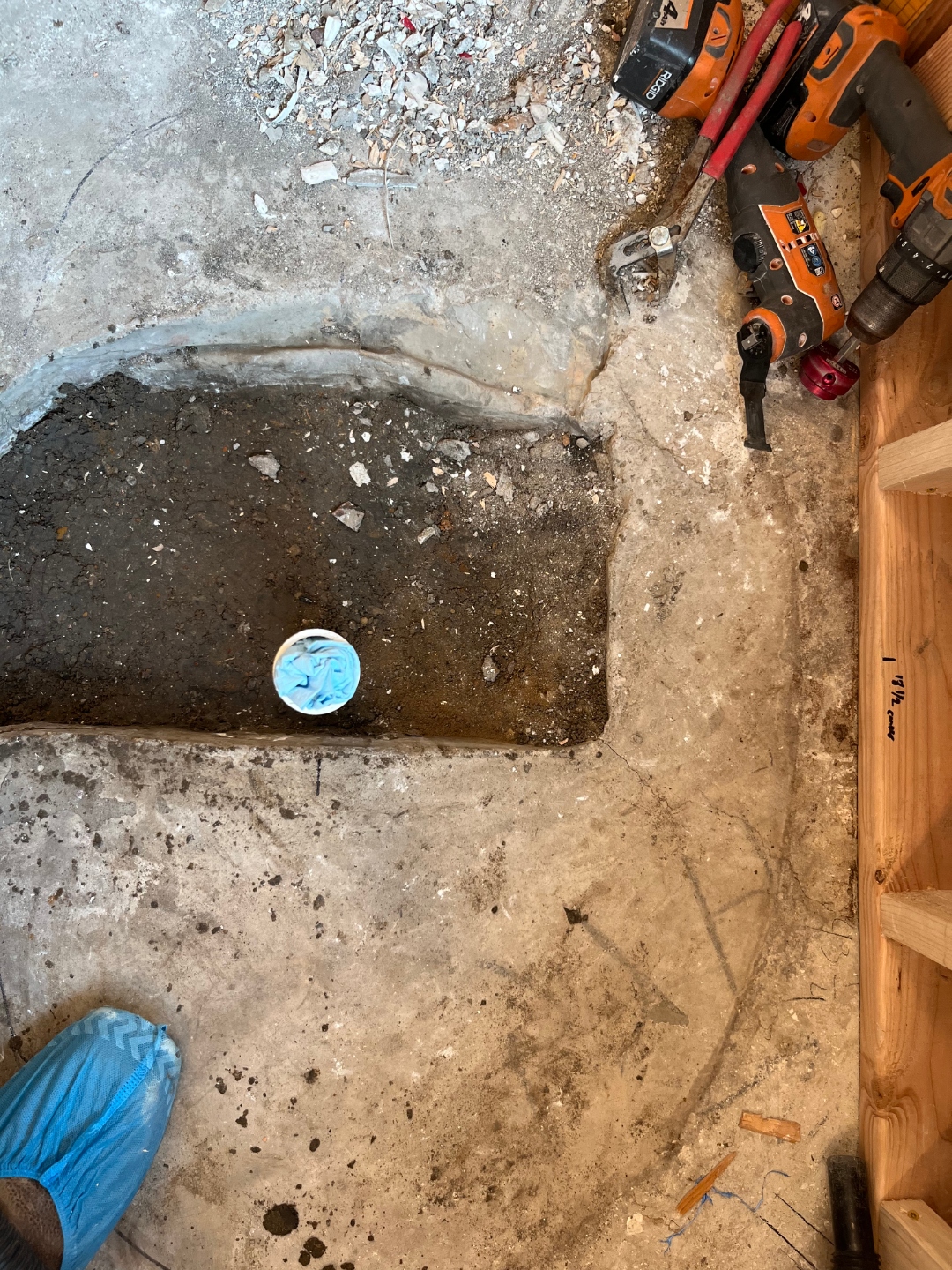
Commercial buildings like offices and retail stores rely on well-functioning plumbing systems every day. With many people using restrooms, break rooms, and other water-based amenities, even a small plumbing issue can quickly grow into a larger headache. Left unchecked, these problems can disrupt operations, frustrate employees and customers, and create expensive repair bills.
In this post, we cover eight of the most common plumbing issues that affect office buildings and retail locations, why they happen, and what can be done to keep them from turning into bigger headaches.
1. Clogged drains
Clogged drains are the number one issue in commercial spaces. Office buildings and retail locations see heavy foot traffic, meaning more people using sinks, toilets, and kitchen facilities. This leads to a higher chance of debris, paper towels, food waste, and even non-flushable items finding their way into the drains.
In commercial kitchens, grease and food scraps can quickly build up in pipes. In restrooms, improper disposal of hygiene products is a frequent culprit. Over time, these blockages slow down water flow and can cause backups, leading to unpleasant odors and even flooding.
Prevention tips:
- Place clear signage in restrooms and kitchens about what should not go down the drain.
- Make an appointment for routine professional drain cleaning to maintain clear pipes.
- Install drain screens to catch debris before it enters the plumbing system.
2. Leaky pipes and fixtures
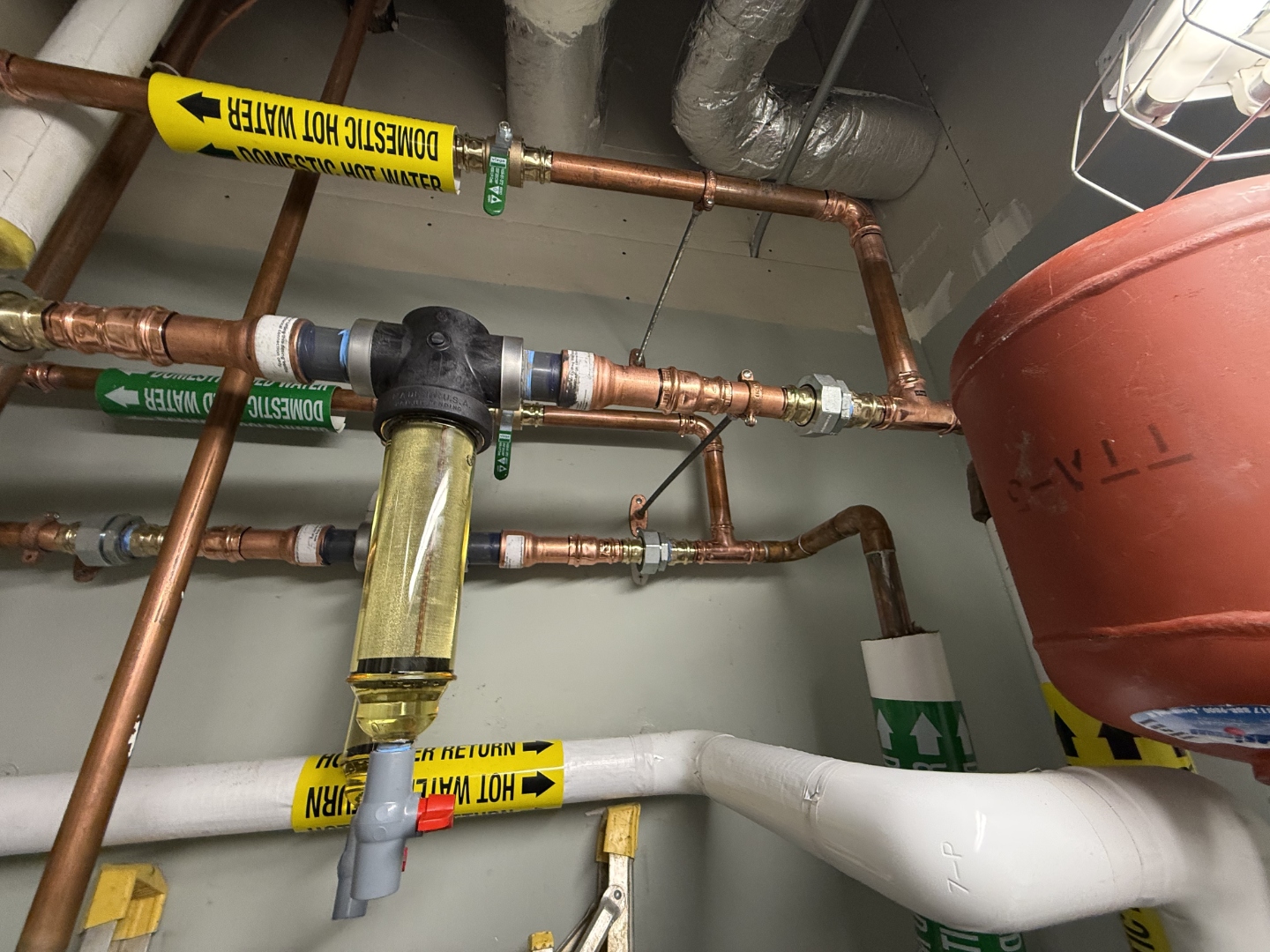
Leaks are common in commercial buildings due to the sheer size and usage of the plumbing system. Leaks can occur in pipes, faucets, toilets, or under sinks. Even a small leak can waste thousands of gallons of water per year and cause water damage, mold growth, and higher utility bills.
In Texas, where temperature swings can stress pipes, leaks may develop from worn-out seals, corroded pipes, or loose connections. Detecting leaks early is key, but in large buildings, leaks can go unnoticed for weeks, especially if they are hidden behind walls or under floors.
Prevention tips:
- Conduct routine inspections for damp spots, mold, or water stains.
- Use smart leak detection systems that alert you to hidden leaks.
- Repair leaks promptly to avoid structural damage and mold issues.
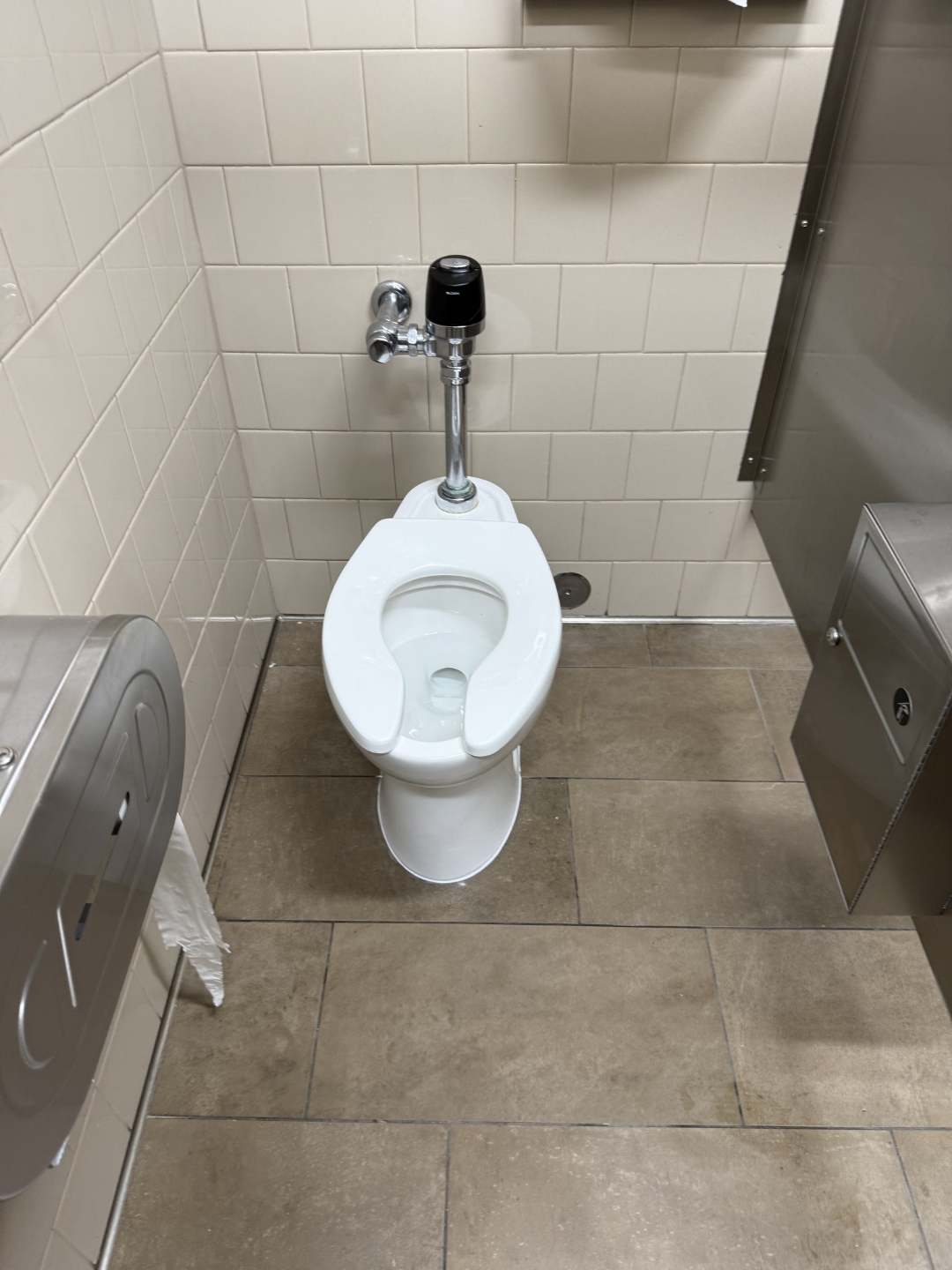
3. Running toilets
A running toilet may seem minor, but it can waste hundreds of gallons of water each day. In office buildings and retail spaces with multiple restrooms, this issue can quickly add up to significant water loss and higher bills.
Running toilets are often caused by worn-out flappers, faulty fill valves, or problems with the flush handle. Sometimes, the issue is as simple as a chain getting stuck, but if left unchecked, it can lead to more serious problems like water damage to floors and substructures.
Prevention tips:
- Train cleaning staff to report running toilets right away.
- Replace worn toilet components as soon as issues are detected.
- Schedule regular maintenance checks for all restroom fixtures.
4. Damaged or aging pipes
Commercial buildings often have miles of piping, much of it hidden from view. Over time, pipes can corrode, crack, or burst, especially in older buildings. Texas weather, with its hot summers and occasional freezes, can stress pipes and speed up wear and tear.
Damaged pipes can cause leaks, water pressure problems, and even flooding. In retail locations, a burst pipe can force a business to close temporarily, resulting in lost revenue.
Prevention tips:
- Schedule periodic inspections with a licensed plumber to check for signs of corrosion or damage.
- Replace old or damaged pipes with new and durable materials.
- Insulate pipes to protect them from temperature extremes.
5. Water temperature problems
Commercial water heaters work hard to supply hot water to multiple restrooms, kitchens, and break rooms. Over time, these systems can develop problems such as inconsistent water temperatures, no hot water, or even scalding water.
Common causes include faulty thermostats, sediment buildup in tanks, or failing heating elements. In Texas, where energy costs are a concern, inefficient water heaters can also drive up utility bills.
Prevention tips:
- Flush water heaters regularly to remove sediment.
- Have water heaters inspected and serviced annually.
- Upgrade to energy-efficient or tankless water heaters for better performance and lower costs.
6. Silent leaks
Not all leaks are obvious. Silent leaks can go undetected for months. These leaks are especially troublesome in large office buildings and retail centers, where plumbing runs through multiple floors and hidden spaces.
Silent leaks can cause structural damage, promote mold growth, and waste large amounts of water. Property managers may only discover them after noticing a spike in water bills or seeing signs of water damage.
Prevention tips:
- Install smart water meters that track usage and alert you to unusual spikes.
- Schedule regular leak detection inspections with specialized equipment.
- Watch for unexplained increases in water bills.
7. Sewage odors
Unpleasant sewage odors can quickly drive away customers and make employees uncomfortable. These smells usually indicate a problem with the drain traps, vent pipes, or sewer lines.
Dry traps, often caused by infrequently used drains, allow sewer gases to enter the building. Blocked vent pipes or sewer line problems can also cause odors to back up into occupied spaces.
Prevention tips:
- Run water in seldom-used drains to keep traps filled.
- Have vent pipes and sewer lines checked and cleaned regularly.
- Address odor complaints immediately to prevent loss of business.
8. Aging plumbing fixtures
Over time, faucets, toilets, and other fixtures wear out. In commercial spaces, where fixtures are used far more frequently than in homes, this wear happens faster. Old fixtures are more likely to leak, break, or become inefficient, leading to wasted water and higher costs.
Modern fixtures are designed to be more durable and water-efficient, helping businesses save money and reduce their environmental impact.
Prevention tips:
- Replace old fixtures with high-efficiency models.
- Consider touchless or sensor-operated fixtures to reduce wear and improve hygiene.
Haltex Plumbing provides commercial plumbing services across Denton County, including Denton, McKinney, Argyle, and Flower Mound. Our master plumbers bring a combined 30+ years of experience to every commercial project. We offer free whole-home plumbing inspections and same-day service when you call before noon. As Denton County's award-winning plumber — Best of Denton two years running — and a BBB A+ accredited business, we stand behind every job.
Haltex Plumbing is part of the Homeyer Enterprises family, alongside Stonemeyer Granite and The Design House.
Frequently Asked Questions
Need Commercial Plumbing Services in Denton County?
From restaurants to office buildings, Haltex Plumbing handles commercial plumbing projects of all sizes. Call us for a free consultation.
Call 940-999-7742